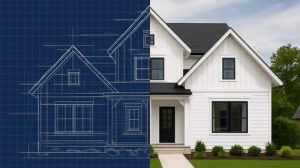
Choosing new siding is a major opportunity to change the look of your home, but finding the right siding colour can be harder than it first appears. A colour that looks great on a sample may feel completely different once it covers an entire house, especially when you factor in your roof, trim, windows, landscaping, and architectural style.
The good news is that you don’t have to choose each exterior colour separately. The best results usually come from looking at your home as one complete palette.
Whether you prefer classic neutral tones, earthy colours, a modern dark exterior, or a more striking contrast, here are some practical ways to choose siding colours that work with the rest of your home.
Start With Your Roof and Other Fixed Exterior Elements
Before looking at new siding colours, take stock of the parts of your home’s exterior that are unlikely to change.
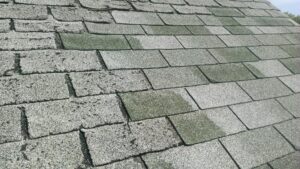
Your roof is one of the largest visual elements, making it a natural starting point. Look beyond whether the shingles are simply “grey” or “brown” and pay attention to their undertones.
A roof with warmer brown, tan, or reddish tones will often coordinate naturally with warm beige, cream, brown, muted green, or other earthy tones. Cooler grey or charcoal roofing can work well with blue, grey, white, or other cool and neutral siding colours.
Also consider your:
- Brick or stone
- Window frames
- Garage door
- Soffit and fascia
- Exterior doors
- Existing trim
- Permanent landscaping and hardscaping
If you have stonework with several different shades, for example, choosing one of its more subtle colours for the siding or trim can help create a cohesive exterior.
And if your roof may need to be replaced in the next few years, it may be worth thinking about your future roof colour now rather than designing your new siding around a roof that will soon be gone.
Choose Your Approach: Coordinate, Contrast or Blend
There isn’t one correct way to pair your roof and siding. A useful starting point is deciding whether you want the different elements of your home to coordinate, contrast, or blend.
Coordinate
Choose siding and roofing colours with similar undertones without making them identical.
A medium grey roof paired with blue-grey siding, for example, can create a unified look while still giving the home some visual depth.
Create Contrast
Using noticeably different light and dark values can make architectural elements stand out.
Light siding with a charcoal roof and dark trim creates a strong, clean contrast. A darker siding colour can similarly stand out against light trim, windows, or stonework.
Contrast can be particularly effective when you want to draw attention to gables, entrances, dormers, or other interesting parts of the home.
Blend
A more subtle palette uses colours that sit close together visually.
Warm beige siding, brown roofing, natural stone, and cream trim can produce a softer, more traditional exterior where no individual element dominates the design.
None of these approaches is inherently better. The right choice depends on your home’s architectural style and your personal style.
Consider Your Home’s Architectural Style
The architecture of the house itself can provide useful direction when choosing siding colours.
Traditional and Heritage Homes
Warm neutrals, muted greens, blues, creams, greys, and natural-looking materials can complement the character of an older home without making it feel overly modern.
Contrasting trim can also help emphasize original windows, rooflines, porches, and other architectural details.
For designated heritage properties, homeowners should also check whether proposed exterior changes require approval before beginning work.
Bungalows and Smaller Homes
Lighter siding colours can visually open up a smaller house, while carefully placed darker accents can add depth around entrances, gables, or other features.
Using too many competing colours on a smaller façade, however, can make the exterior feel unnecessarily busy.
Craftsman-Inspired Homes
Earthy tones often work well with stone, wood, prominent trim, and covered porches. Greens, warm greys, brown tones, and natural accents can help reinforce the connection between the house and its surroundings.
Modern and Contemporary Homes
Modern architecture often lends itself to stronger contrast.
Charcoal, black, deep grey, white, or other neutral siding colours can be combined with warmer wood accents, stone, or a second siding colour to create visual depth.
Vertical and horizontal siding can also be paired to highlight different areas of the building.
Build a Complete Exterior Colour Palette
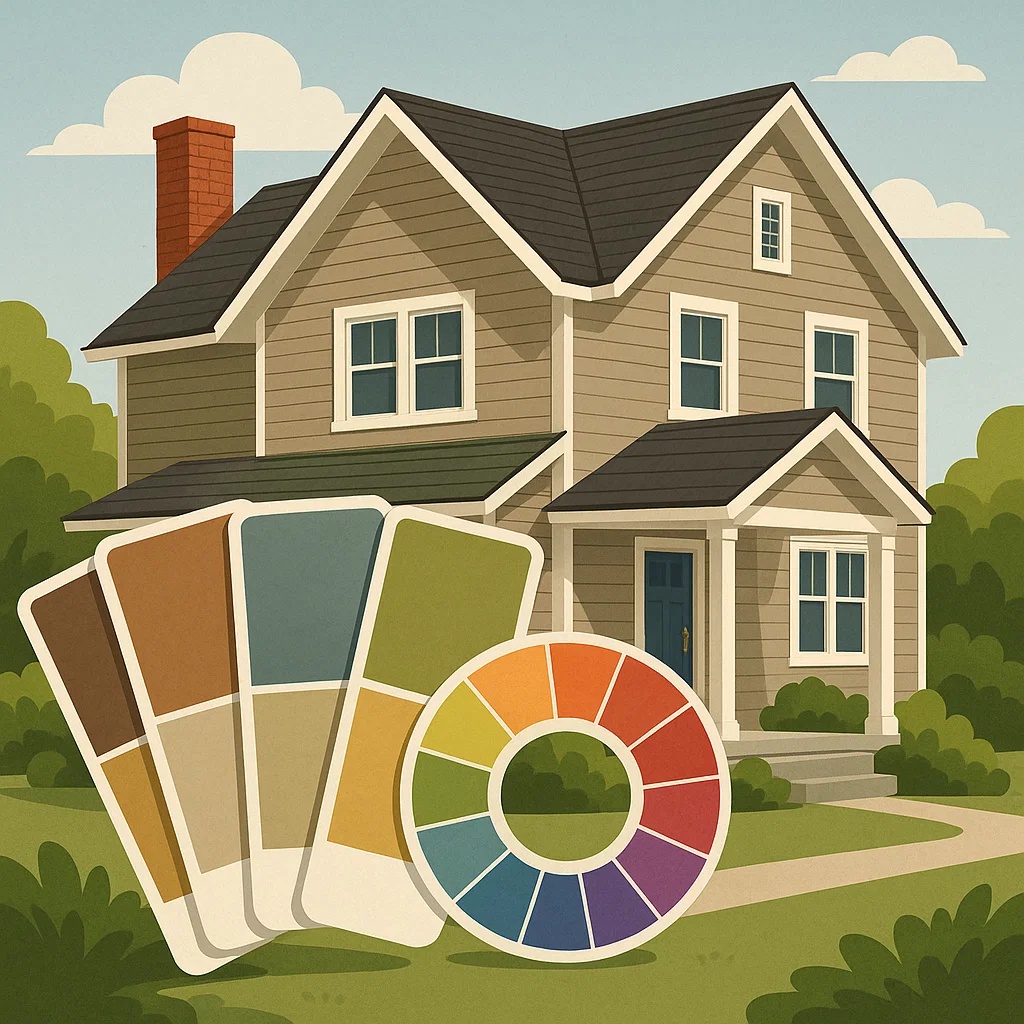
Rather than choosing one siding colour and hoping everything else works around it, think in terms of a simple exterior palette:
Main siding colour + secondary colour + accent colour
Your main colour will normally cover most of the home.
The secondary colour might come from stone, another siding style, roofing, or trim.
The accent colour can then appear in smaller areas such as:
- Doors
- Shutters
- Gable features
- Trim
- Architectural panels
A bold colour often works particularly well as an accent because it adds personality without committing the entire home to an intense hue.
Trim can also change how the main siding colour is perceived. Light trim generally creates clearer definition, while darker trim can give a home a more modern edge. Choosing trim from the same colour family as the siding produces a softer and more subtle effect.
How Light and Dark Siding Affect a Home’s Appearance
Colour can change how the shape and proportions of a house are perceived.
Light colours tend to reflect more natural light and can make a smaller home feel more open. White, cream, light grey, and beige are also versatile choices when a home already has several permanent exterior materials to coordinate with.
Dark siding creates more visual weight. Deep grey, blue, brown, green, or black can help ground a larger house and create a dramatic backdrop for lighter trim or natural materials.
Neither approach is limited to a particular architectural style.
A classic home can use dark siding successfully, just as a modern home can look striking in white or another light colour. The important part is how the siding interacts with the home’s roof, proportions, trim, and surrounding elements.
Popular Siding Colour Families to Consider
Exterior trends change, but several colour families continue to work across a wide range of homes.
Grey
Grey remains one of the most flexible siding colours because it can lean warm or cool.
Light grey can create a softer neutral exterior, while charcoal siding produces a bolder modern appearance. Grey also pairs naturally with many roofing, stone, and trim colours.
Blue
Blue siding can range from subtle blue-grey to deeper, more dramatic shades.
It often pairs particularly well with grey roofing and white or light trim.
Beige, Tan and Warm Neutrals
Warm neutral tones are useful for homeowners who want something softer than white without making the exterior overly colourful.
They can complement brown roofing, stone, brick, wood, and traditional architectural styles.
Green
Muted and earthy greens can work beautifully with natural surroundings, stone, wood accents, and darker roofing.
Green can add character while still feeling relatively neutral when the shade is restrained.
White and Light Neutrals
Light siding creates a clean backdrop and gives homeowners plenty of freedom to use stronger colours elsewhere.
A white or light exterior can be paired with dark roofing, black trim, natural wood, or a bold front door for striking contrast.
Brown and Earthy Tones
Brown, taupe, and other earthy siding colours work naturally alongside stone, landscaping, wood, and warmer roofing colours.
They can be especially effective when homeowners want the building to feel connected to its surroundings.
Remember That Siding Material Affects Your Colour Choices
The siding material you choose will influence the available colours, textures, profiles, and finishes.
Above All works with several siding options for Winnipeg homes.
Kaycan Vinyl Siding
Vinyl siding offers a broad variety of colours and styles while providing a relatively low-maintenance exterior.
Modern vinyl products make it possible to consider everything from lighter neutral tones to deeper siding colours, although the exact options will depend on the product line selected.
LP Engineered Wood Siding
LP engineered wood/composite siding offers the appearance and texture associated with wood siding while providing a manufactured exterior product designed for durability.
Its profiles and finish options can work well on traditional homes as well as contemporary designs.
Trim and Exterior Details
Above All also uses EZ Trim systems for siding trim and accessories.
These details matter more than they may initially seem. Window trim, transitions, corners, and other finishing elements help define the siding and can contribute significantly to the final colour palette.
If you’re updating several parts of the exterior at the same time, Above All also works with Gentek aluminum products for soffit, fascia, and eavestrough, allowing these elements to be considered as part of the overall exterior design.
Available products and colours can change, so it is always best to ask which siding and exterior options are currently available for your project.
Always Look at Siding Colours in Natural Light
One of the biggest mistakes homeowners can make is selecting siding based entirely on a computer screen, brochure, or tiny colour swatch.
Natural light can dramatically affect how a colour appears.
Once you have narrowed your siding colour choices:
- Compare actual product samples where possible.
- Hold them next to your roof, stone, brick, and trim.
- Look at them from farther away as well as close up.
- Check the colours in direct sunlight and shade.
- View them at different times of day.
Winnipeg’s changing seasons can also affect the overall impression of your exterior. A colour surrounded by green landscaping in July may feel quite different against snow and lower winter light.
Digital visualizers can be excellent for finding inspiration, but physical samples are still one of the best ways to make a final decision.
Common Siding Colour Mistakes to Avoid
A little planning can prevent some very expensive second thoughts.
Ignoring the roof: Your siding does not exist in isolation. Always compare it with your roofing colour and undertones.
Forgetting brick or stone: Permanent masonry can have strong colours of its own and should be part of the palette from the beginning.
Using too many competing colours: Contrast creates interest, but every feature doesn’t need to compete for attention.
Choosing colours from a screen alone: Digital colours vary between devices and displays. Use real samples before making your final selection.
Following trends without considering the house: A popular colour isn’t automatically the right choice for your architectural style or surroundings.
Ignoring future renovations: If the roof, windows, soffit, fascia, or other major exterior features will soon be replaced, consider how those future choices will work with your new siding.
Use Real Homes for Inspiration
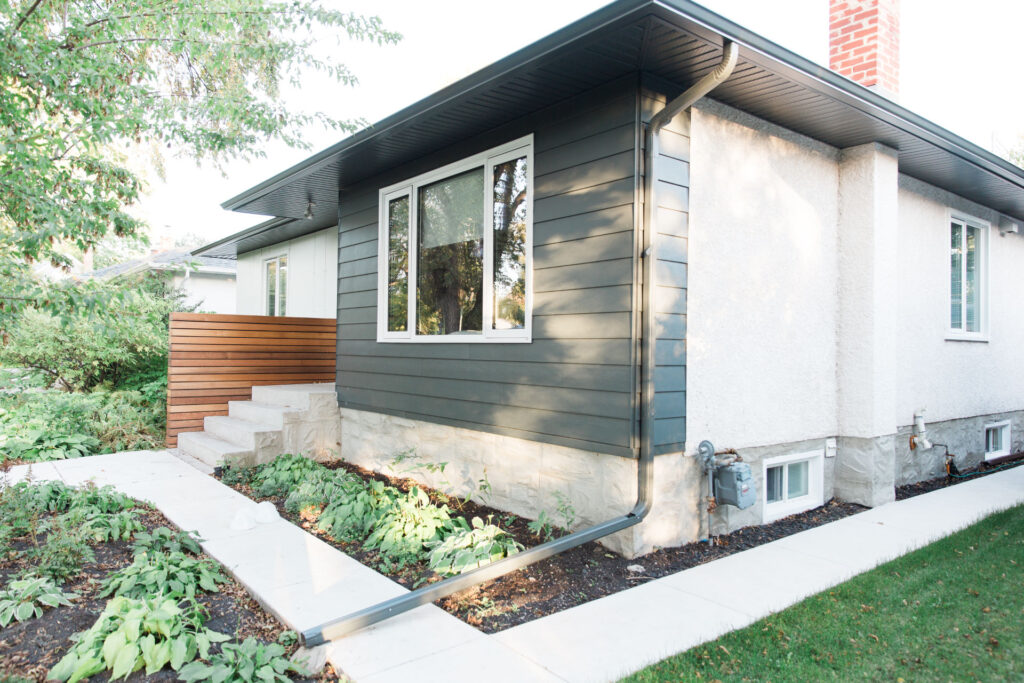
One of the easiest ways to narrow down siding colour ideas is to look at completed homes rather than colour swatches alone.
Real projects can demonstrate how combinations such as:
- Light siding with darker accents
- Grey siding with stone
- Earthy green siding with warm natural details
- Two-tone light and dark exteriors
- Coordinating roof and siding colours
actually look across an entire building.
Above All’s project gallery includes examples from Winnipeg and surrounding communities that can provide inspiration for different home styles, siding colours, roof combinations, and exterior finishes.
Frequently Asked Questions About Choosing Siding Colours
What siding colour goes well with a grey roof?
Grey roofs are versatile. Depending on the roof’s undertone, options can include blue, white, light or dark grey, green, beige, and other neutral tones. Compare physical samples against the actual shingles before deciding.
Should siding be lighter or darker than the roof?
Either can work. Light siding with a dark roof creates stronger contrast, while colours with similar values create a softer exterior. Architectural style and personal preference matter more than following a strict rule.
How many colours should I use on my home’s exterior?
Many successful exterior palettes use a main siding colour, a secondary colour, and one or two restrained accents. Homes with brick or stone may already have several colours present, so additional siding and trim colours should complement rather than compete with them.
Can I use a bold siding colour on a small house?
Yes. Smaller homes do not have to be limited to light colours. A bold or dark colour can create a unique style, although keeping trim and accent colours relatively simple may help prevent the exterior from feeling too busy.
Should my soffit, fascia and eavestrough match my siding?
They don’t necessarily need to match. They can blend with the siding, coordinate with the roof or trim, or provide contrast depending on the overall design. When these elements are being replaced together, planning their colours at the same time usually produces a more cohesive result.
Choosing New Siding With Above All
There are plenty of siding colours to choose from, but the goal isn’t simply to find the most popular colour. It’s to find a combination that works with your home, your roof, your architectural style, and the exterior features that are already there.
Above All works with Winnipeg homeowners on siding replacements and exterior renovations using options including Kaycan vinyl siding, LP engineered wood/composite siding, and EZ Trim siding accessories, along with complementary exterior components such as Gentek aluminum soffit, fascia, and eavestrough.
When you’re considering new siding, the Above All team can walk through available materials, colours, samples, and exterior options with you so you can see how the pieces will work together before making your final selection.
Ready to explore siding colours and options for your home? Contact Above All to request an estimate and discuss the possibilities for your exterior.