


Home Exterior Fall Maintenance Checklist for Manitoba Homeowners
Fall is a good time to take a careful look around the outside of your home. Once freezing temperatures, snow and ice arrive in Manitoba, small exterior problems can become harder to inspect and repair.
You don’t need to climb onto the roof or dismantle anything to give your home a useful fall check. A slow walk around the property can help you spot drainage problems, damaged exterior materials, deteriorating seals and other areas that may need attention before winter.
Use this checklist to work your way from the roof down to the foundation.
Quick Fall Home Exterior Checklist
Before winter arrives:
- Inspect your roof from the ground for visible damage.
- Clear leaves and debris from eavestroughs and downspouts.
- Make sure downspouts direct water away from the foundation.
- Check siding for loose, cracked or damaged areas.
- Look over soffit and fascia for damage or deterioration.
- Inspect exterior seals around windows and doors.
- Check visible exterior vents for damage or obstruction.
- Look for poor drainage or water pooling near the foundation.
- Disconnect garden hoses and prepare outdoor faucets for freezing weather.
- Check for branches that could damage the roof or exterior.
- Look indoors for signs of leaks or moisture.
Many of these checks can be done safely from the ground. If properly inspecting or repairing something would require climbing onto the roof, working from a difficult ladder position or removing exterior materials, that’s a good point to call a professional.
1. Start With a Ground-Level Roof Check

You can spot many potential roofing problems without walking on the roof.
Stand far enough back from the house that you can see as much of the roof as possible. Look for missing, lifted or visibly damaged shingles, changes along the roof edge and anything around visible vents, flashing or other roof penetrations that appears loose or out of place.
An upper-storey window may also provide a useful view of part of the roof without requiring you to climb onto it.
Homeowner check: Look for obvious changes compared with the surrounding roofing.
Consider professional help when: you notice missing or damaged roofing, loose flashing, signs of leaking or an area that can’t be properly inspected from a safe location.
2. Clean and Inspect Your Eavestroughs
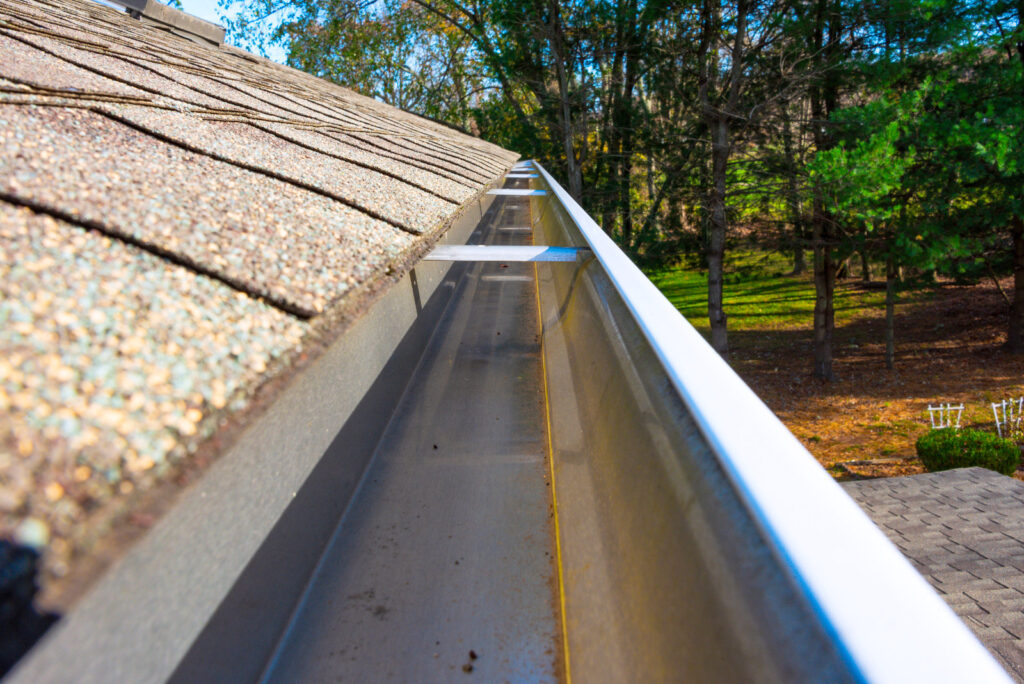
Leaves, twigs and other debris can restrict the flow of water through your eavestroughs and downspouts. Clearing this material before freezing conditions arrive helps give rain and eventual snowmelt a clear path away from the roof.
While you’re checking the eavestroughs, pay attention to sections that appear loose, sagging or separated. Staining on the fascia or siding below an eavestrough can also indicate that water has been overflowing or escaping where it shouldn’t.
Homeowner check: Look for visible debris, sagging sections, loose connections and signs of overflow.
Consider professional help when: the eavestroughs are difficult to access safely, have pulled away from the house, leak at connections or appear damaged.
Above All also recommends regular spring and fall eavestrough cleaning, particularly for homes surrounded by trees.
3. Make Sure Downspouts Move Water Away From the House
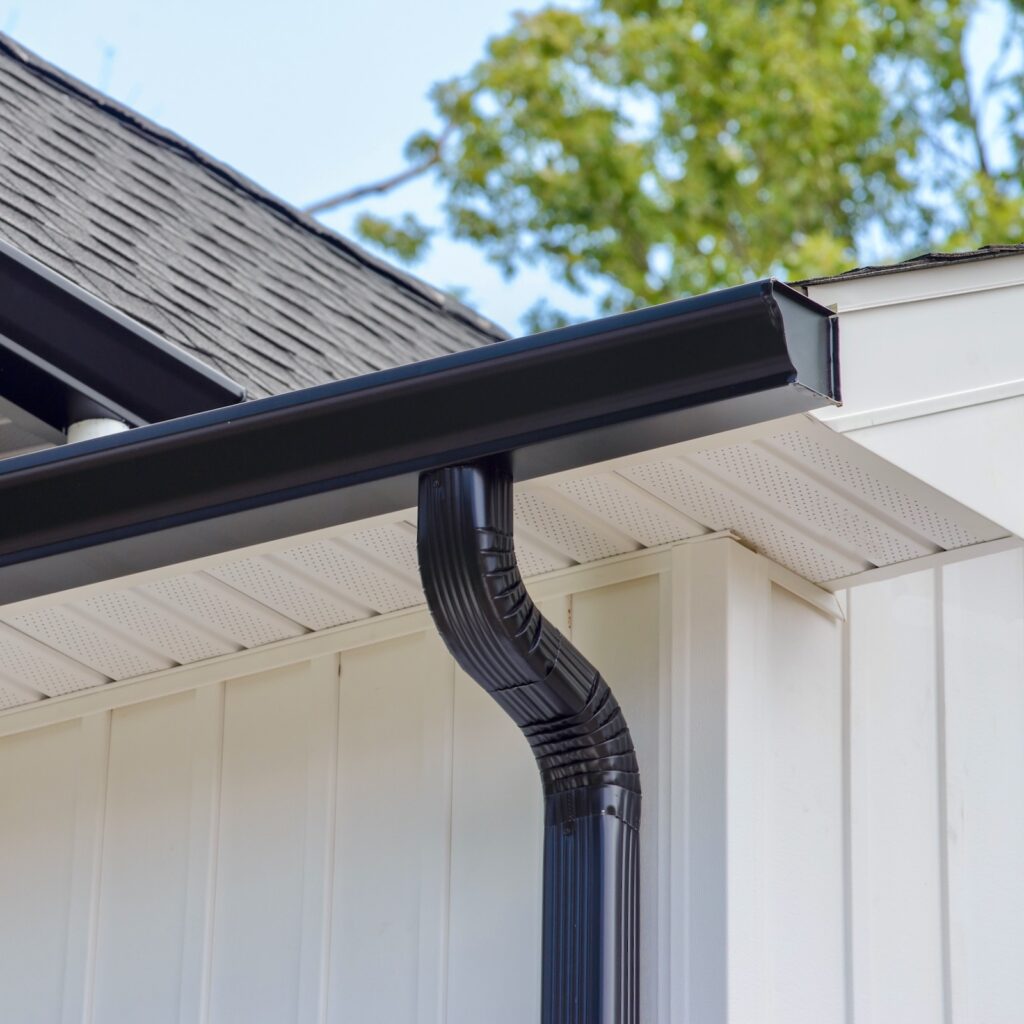
Cleaning the eavestrough is only part of the drainage check. Water also needs somewhere appropriate to go after it reaches the downspout.
Check that downspouts are securely connected and that extensions or splash pads are positioned to move water away from the foundation. Make sure the discharge point isn’t buried under leaves or other debris.
The City of Winnipeg advises homeowners to direct downspout drainage away from foundation walls and along the property’s established drainage pattern. Water should stay on your property rather than being intentionally directed toward neighbouring properties, sidewalks, streets or back lanes.
This matters beyond autumn rainfall. The same drainage path will eventually have to handle melting snow in spring.
4. Walk Around Your Siding
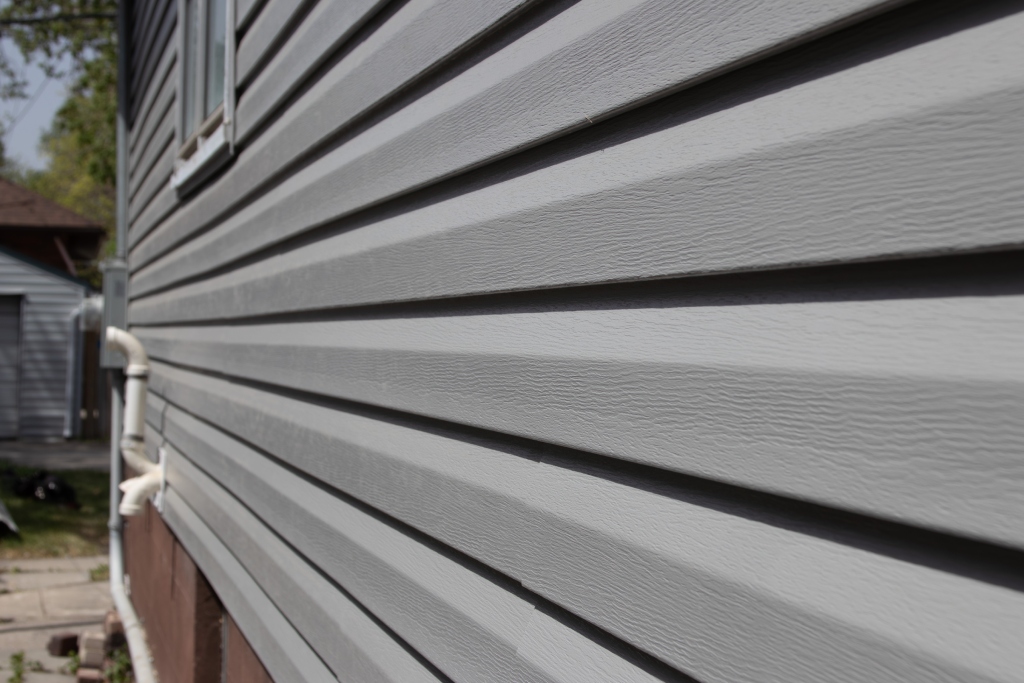
Your siding covers a large portion of the building envelope, so give it more than a passing glance from the driveway.
Walk around the house and look for loose, cracked, broken or displaced siding. Pay attention to gaps around trim and areas showing impact damage, deteriorated finishes or recurring stains.
Also look around exterior penetrations such as vents, lights, water taps and utility connections. These transitions between materials are worth paying attention to because they involve openings through the exterior wall assembly.
Above All’s siding installation process includes detailing around windows, doors, lights, water taps and vent covers, as well as window and door flashing.
Homeowner check: Look for visible damage or changes as you walk around the exterior.
Consider professional help when: siding has come loose, damage exposes material underneath, water appears to be getting behind the exterior or repairing the problem would require removing installed siding.
5. Look Up at the Soffit and Fascia
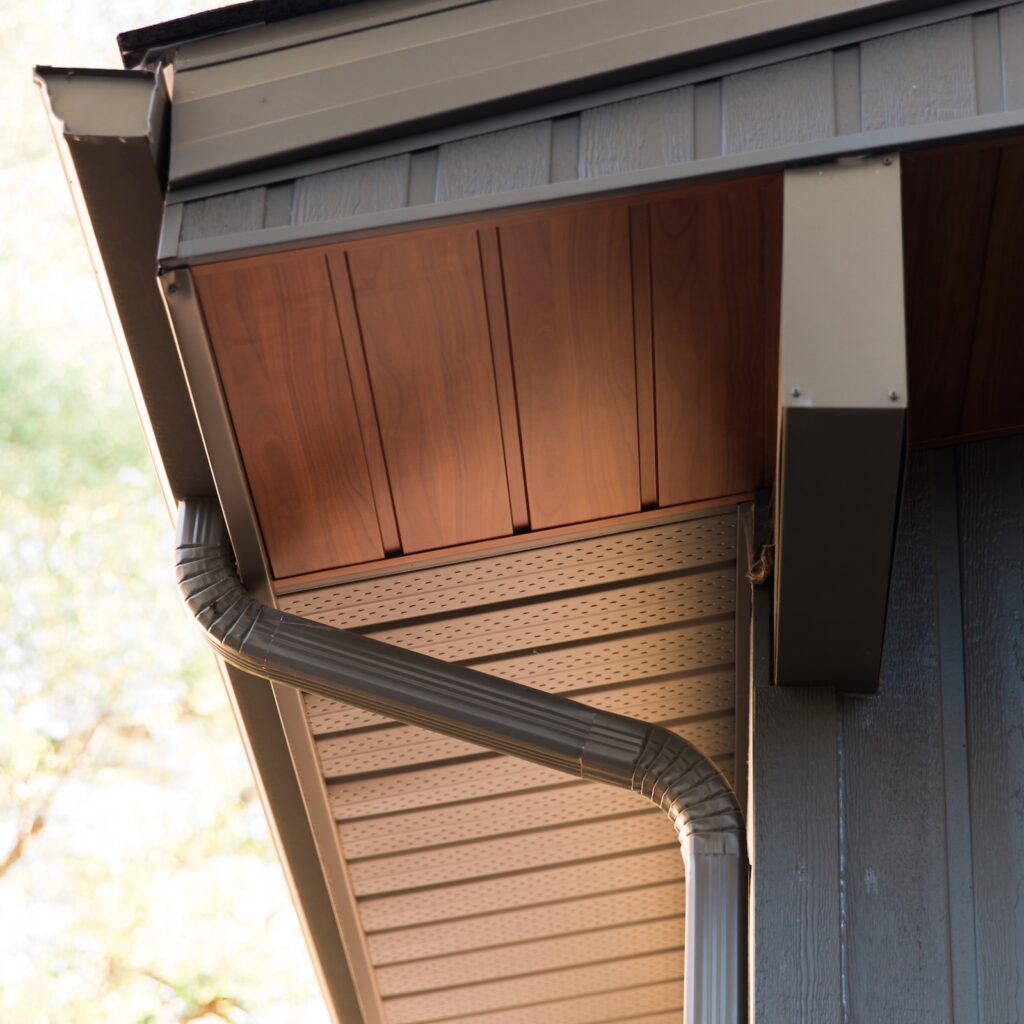
The areas directly underneath and along the edge of the roof are easy to overlook during a normal walk around the house.
Check the soffit and fascia for loose pieces, staining, peeling or deteriorated finishes and visible damage. If soffit openings are visible, look for anything obviously blocking them.
These components sit at an important transition between the roof and exterior walls. During Above All’s soffit, fascia and eavestrough work, the underlying soffit boards, fascia or sub-fascia and rafter tails are inspected for rot once existing materials are removed.
One important caution: don’t cover or seal a soffit opening simply because it appears to be a gap. Vented soffits may be an intentional part of the attic ventilation system.
6. Check Windows, Doors and Exterior Seals
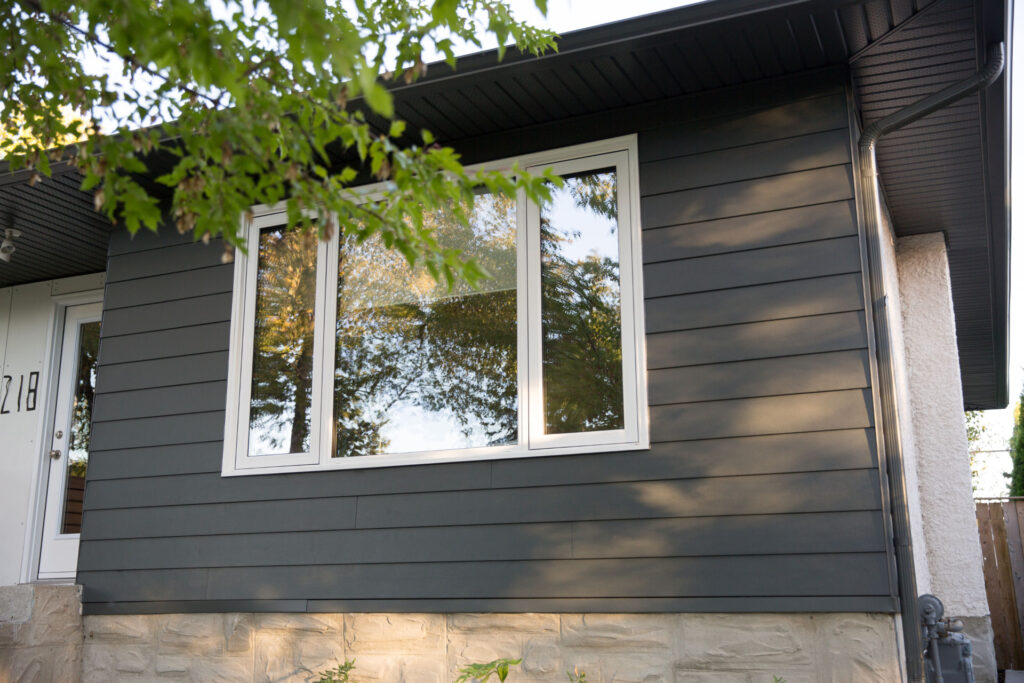
Fall is also a useful time to inspect the places where different exterior components meet.
Look around exterior windows and doors for deteriorating caulking, obvious gaps, loose trim and signs of staining or water damage. Check accessible weatherstripping around operable doors and windows as well.
Efficiency Manitoba recommends properly sealing and weatherstripping windows and doors to reduce unwanted air leakage. It notes that weatherstripping is intended for moving joints such as doors and operable windows, while appropriate sealants can be used for stationary gaps and cracks.
A small maintenance job may be reasonable for a homeowner who understands which product is appropriate for the application. More extensive deterioration around a window, door or wall opening may need investigation rather than simply covering it with another layer of caulking.
Homeowner check: Look for obvious gaps, worn weatherstripping and deteriorated exterior sealant.
Consider professional help when: you find significant deterioration, ongoing water staining or aren’t sure whether the visible gap is simply a sealing issue or part of a larger exterior problem.
7. Look at Exterior Vents and Openings
Dryer vents, exhaust vents and other visible exterior openings should also get a quick check before winter.
Look for damaged covers, loose components or obvious debris that may prevent the vent from operating correctly.
The goal isn’t to seal every opening you find. Some openings exist specifically to move air or moisture. Blocking a functioning vent can create an entirely different problem.
If you’re unsure what an exterior opening does, identify its purpose before modifying or sealing it.
8. Follow the Water Down to the Foundation
After checking the roof, eavestroughs and downspouts, look at where water ends up at ground level.
Pay particular attention to low spots next to the house, soil that appears to slope toward the foundation, pooling around basement windows or window wells and drainage paths obstructed by leaves or landscaping.
The City of Winnipeg recommends maintaining lot grading so surface water moves away from buildings and foundation walls. Proper drainage around window wells is also important.
A good time to check is during or shortly after rainfall. Seeing where the water actually travels is often more useful than trying to judge drainage on a completely dry day.
Homeowner check: Watch for persistent pooling or water moving back toward the house.
Consider professional help when: water repeatedly collects against the foundation, grading has noticeably settled or you’re seeing moisture entering the basement.
Not every drainage or foundation problem is an Above All service, and that’s fine. The goal of the checklist is to identify concerns around the whole exterior, not turn every item into a sales pitch.
9. Disconnect Garden Hoses Before Freezing Weather
This is a small task that’s easy to forget until temperatures fall.
Disconnect garden hoses from exterior faucets and drain them before storage.
How the faucet itself should be winterized depends on the plumbing setup. Some homes have interior shutoff valves that allow exterior lines to be drained, while others use frost-resistant fixtures.
If you don’t know how your exterior plumbing is configured, check before assuming the faucet is ready for winter. A qualified plumber can help if needed.
10. Check Trees and Vegetation Near the House
Trees can contribute shade and character to a property, but branches touching or hanging over a home can also create maintenance problems.
Look for branches rubbing against roofing, siding or eavestroughs, as well as visibly dead or damaged limbs above the house. Vegetation growing directly against exterior walls can also make inspection more difficult and trap debris around the building.
Keeping nearby branches under control can reduce the amount of leaves and debris reaching roof valleys and eavestroughs.
Small, safely accessible pruning may be straightforward. Large limbs, branches over the roof or anything near electrical lines should be left to appropriately qualified professionals.
11. Check Inside for Clues You Can’t See Outside
Not every exterior problem is easiest to spot from outdoors.
Take a look at ceilings, upper-storey walls and accessible attic spaces for new water stains, damp areas or evidence of recurring moisture.
A moisture problem in an attic doesn’t automatically mean the shingles are leaking. In cold climates, warm and moisture-laden indoor air can escape through openings in the ceiling and condense or freeze when it reaches colder parts of the attic and roof assembly.
Above All’s insulation team likewise identifies attic air sealing, insulation and ventilation as parts of the same system rather than isolated components. The company’s attic process includes checking penetrations such as plumbing stacks, exhaust fans, ducts and the attic access before insulation work.
If you’ve previously experienced attic frost, recurring moisture or ice dams, diagnosing the underlying cause may require looking at the roof, air sealing, insulation and ventilation together.
What Should Be Fixed Before Winter?
Not every cosmetic issue requires an urgent repair. Focus first on problems that are actively allowing water into the home, interfering with drainage or leaving exterior components loose and exposed to further weather.
Missing or seriously damaged roofing, active leaks, loose flashing, failing eavestroughs, significant siding damage and recurring water accumulation around the foundation deserve attention sooner rather than simply being added to a spring to-do list.
If you’re unsure how serious a problem is, an inspection can help determine whether you’re looking at routine maintenance or something that should be repaired before winter.
What Fall Maintenance Can Homeowners Safely Do Themselves?
The most valuable part of a fall inspection is often simply paying attention.
Walking around the house, inspecting the roof from the ground, checking siding, looking at downspout drainage, examining accessible window and door seals, disconnecting hoses and watching for indoor moisture clues can reveal quite a bit.
You don’t need to physically reach every part of the house for the inspection to be worthwhile.
When checking something requires walking on a roof, using a ladder in an unsafe position, opening up the building exterior or diagnosing the source of a leak, consider bringing in a professional instead.
Need Help With the Roof and Eavestrough Portion?
If you’d rather have someone handle the harder-to-reach portion of your fall maintenance, Above All’s Fall Maintenance Packages include gutter and downspout cleaning, a visual inspection of visible deficiencies involving the roof, eaves and siding, and minor roof touch-ups.
Those touch-ups can include work such as resealing existing sealant or fastening loose vents or flashing when appropriate. Larger repairs identified during the visual inspection are quoted separately.
The package is intended to complement a homeowner’s broader fall maintenance routine rather than replace every item in this checklist.
Fall Exterior Maintenance FAQs
When should I do fall maintenance in Manitoba?
There isn’t one perfect date because Manitoba weather changes from year to year. A practical approach is to inspect your exterior during fall while conditions are still safe and accessible, giving yourself enough time to address problems before sustained freezing temperatures and snow arrive.
If your property has mature trees, eavestrough cleaning may make the most sense after a significant portion of the leaves have fallen — provided you aren’t waiting so late that ice and snow make the work unsafe.
Do I need to climb onto my roof to inspect it?
No. Homeowners can identify many obvious problems from the ground or from a safe upper-storey window.
If a roof needs closer inspection, especially on a steep, high or slippery surface, consider having a roofing professional inspect it rather than climbing onto it yourself.
How often should eavestroughs be cleaned?
Above All generally recommends checking and cleaning eavestroughs in spring and fall, with additional cleaning potentially needed when a home has heavy tree coverage.
The important part isn’t simply following a calendar. If leaves and debris are preventing water from flowing freely, the eavestrough needs attention.
What exterior problems shouldn’t wait until spring?
Active leaks, missing roofing, loose exterior components, significant siding damage and drainage problems that are directing water toward the home are all worth investigating before winter.
Cosmetic improvements may be able to wait. Problems involving water entry or components that could deteriorate further during snow, ice and wind deserve greater priority.
A Little Fall Maintenance Can Make Winter Easier
Preparing your exterior for winter doesn’t mean trying to make your house perfect in a single weekend.
The goal is to understand how your home is handling water, weather and normal wear. Start at the roof, follow drainage down toward the foundation and pay attention to the places where different parts of the exterior meet.
A careful fall walk-around can help you identify small concerns while they’re still visible; and decide which ones are worth addressing before another Manitoba winter arrives.