Choosing the Best Siding Material for Your Home
Renovating your home’s exterior is an opportunity to improve its appearance, weather protection and long-term performance. However, with so many siding options available, choosing the best siding material can feel overwhelming.
There is no single material that is right for every house. The right siding depends on your budget, desired appearance, maintenance preferences, local weather exposure and the condition of the wall beneath your old siding. Material availability, colours, profiles and warranty terms can also vary, so it is worth discussing current options with an experienced siding contractor before making a final decision.
What Should You Consider When Choosing Siding?
Before comparing specific siding types, consider what you want your exterior renovation to accomplish.
- Appearance: Your siding should complement your home’s style, roof, windows, doors and existing stone or brickwork. Horizontal lap siding creates a traditional appearance, while vertical siding and larger panels can give a house a more contemporary look.
- Budget: Compare the total installed cost rather than the price of the siding alone. Wall preparation, trim, flashing, insulation and sheathing repairs can all affect the final cost.
- Maintenance: Some materials require little more than occasional cleaning, while others may need painting, staining or finish repairs over time.
- Winnipeg’s climate: New siding must contend with cold winters, summer heat, moisture, high winds, UV exposure and the possibility of impact damage from hail or flying debris.
- The wall assembly: Siding is only the visible part of your exterior. House wrap, flashing, sheathing, insulation and drainage behind the siding are equally important.
You should also decide whether you want to re-side the entire house or concentrate on a highly visible area. Updating the front elevation or adding an accent material can modernize an exterior without necessarily replacing every section.
Comparing Popular Siding Options
Vinyl Siding
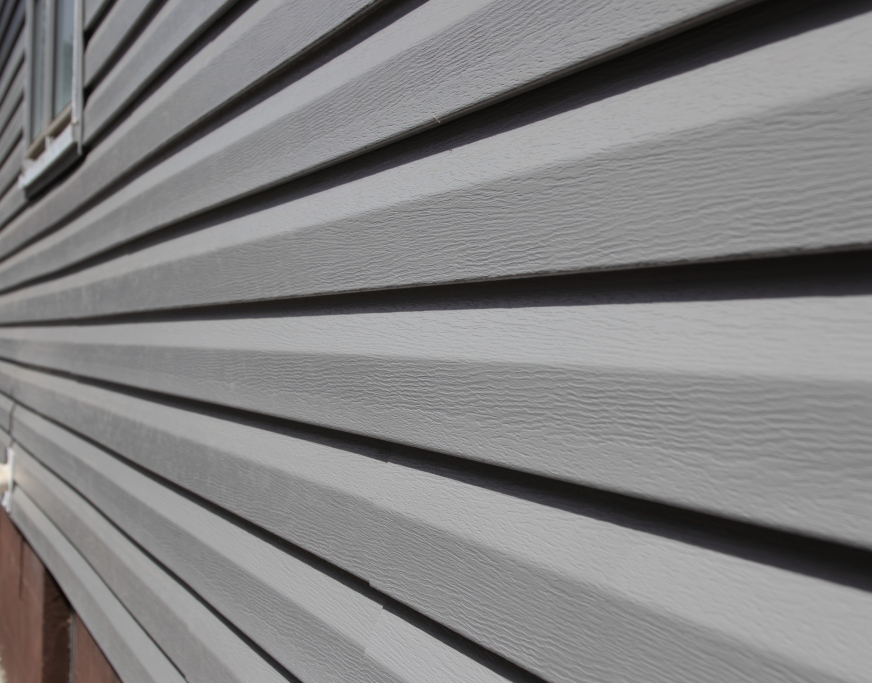
Vinyl siding remains one of the most popular siding options because it balances affordability, durability and low maintenance. It is available in numerous colours, textures and profiles, including horizontal, vertical, shake and wood-look styles.
Vinyl does not require regular painting or staining, although periodic cleaning and inspections are still recommended. Product quality is important in cold climates because lower-grade vinyl may be more vulnerable to cracking from impact during extremely cold weather. It must also be installed with enough room to expand and contract as temperatures change.
Vinyl siding is an exterior cladding, not a waterproof layer. It should be properly installed over a continuous water-resistive barrier with flashing around windows, doors and other openings. Ask us about the vinyl siding manufacturers, profiles and insulated vinyl siding options currently available.
Fibre Cement Siding
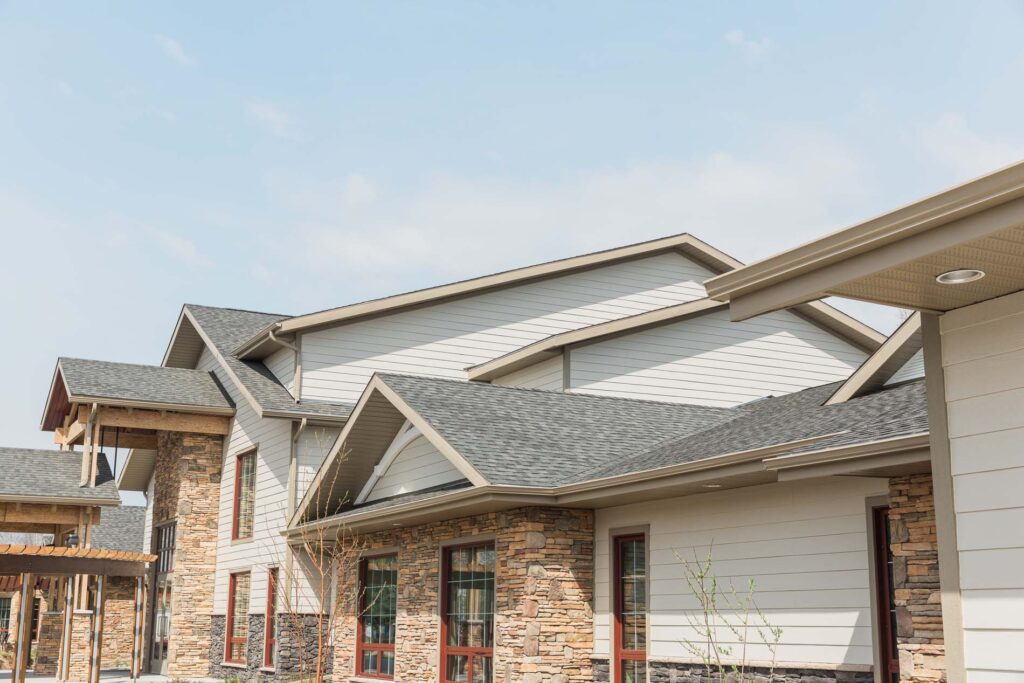
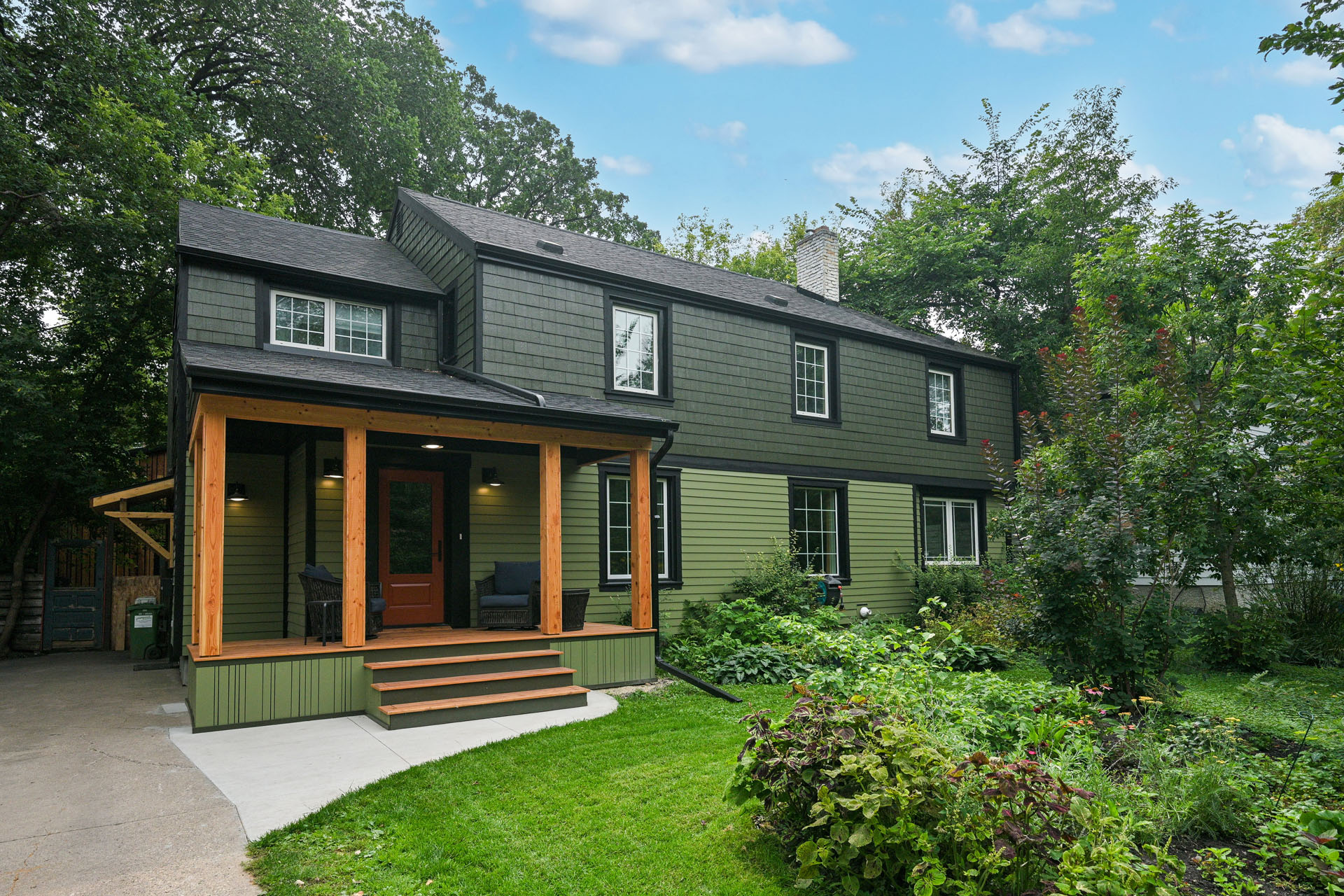
Fibre cement siding is a durable option that can recreate the appearance of painted wood in lap siding, panel, board-and-batten and shingle-style designs. It is resistant to rot and pests, and many fibre cement products are classified as non-combustible cladding.
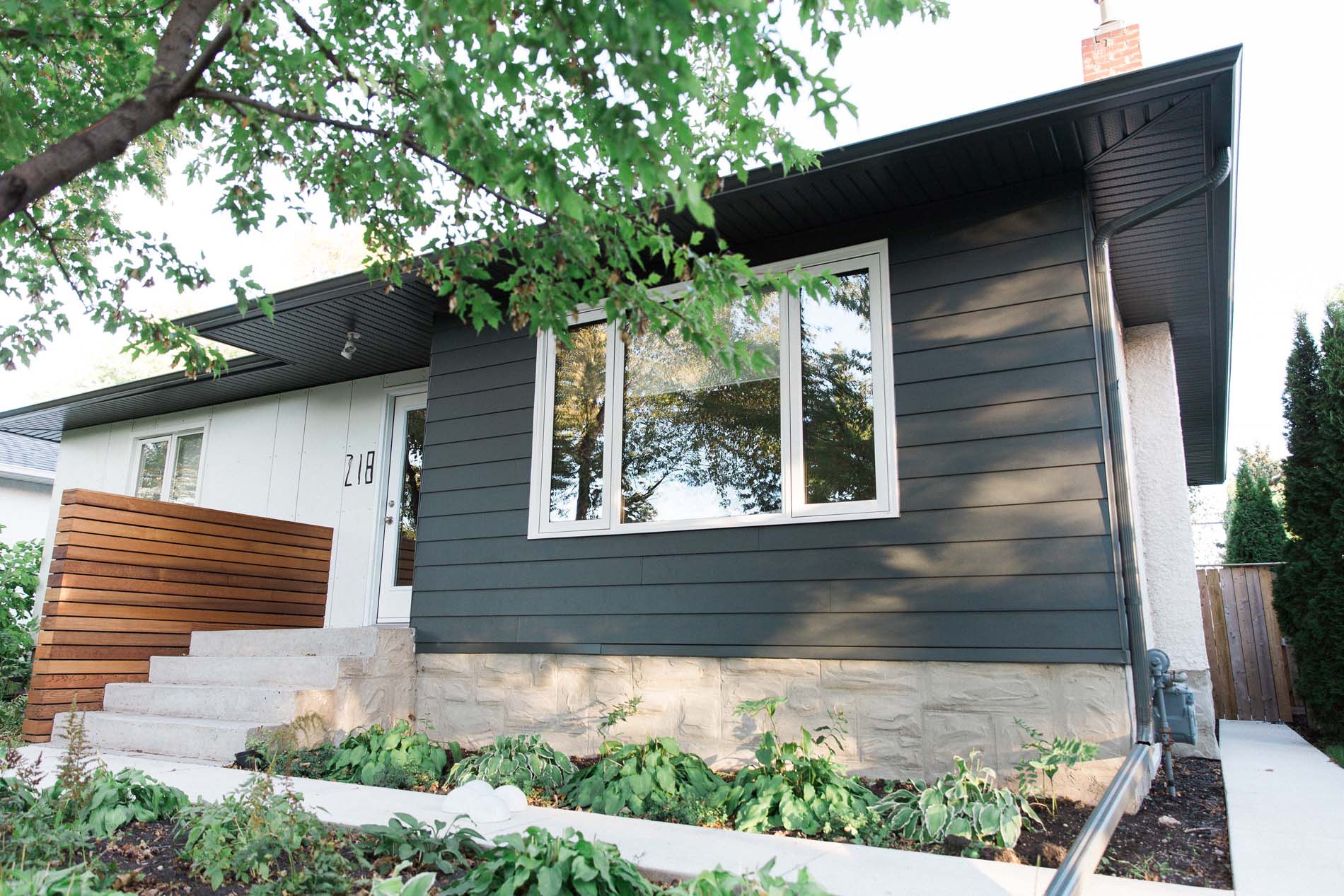
This material can work particularly well when a homeowner wants defined architectural lines or a combination of different siding styles. For example, fibre cement panels and lap siding can be used together to add contrast and visual interest to a bungalow or modern home.
Fibre cement board is heavier than vinyl and requires careful cutting, fastening and finishing. Installation costs can therefore be higher. Depending on the product and finish, occasional cleaning, caulking checks or repainting may also be required. Homeowners should inquire about the fibre cement products, colours and manufacturer warranties available for their project.
Engineered Wood Siding
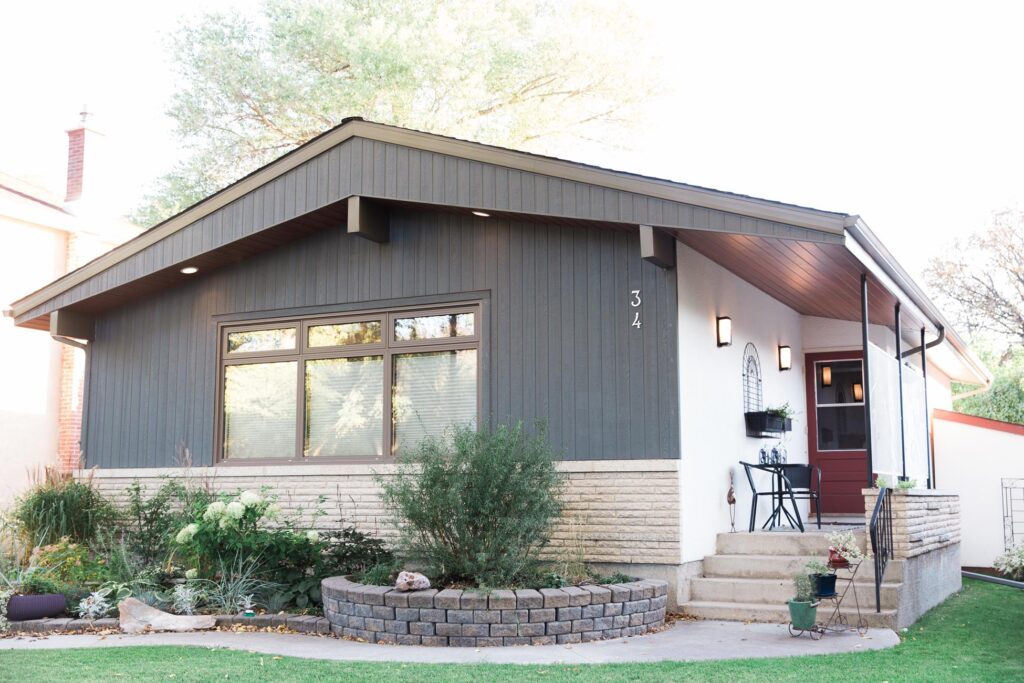
Engineered wood siding offers the texture and warmth of real wood with more consistent dimensions and generally lower maintenance than natural wood siding. It is available in horizontal and vertical profiles, making it suitable for traditional homes, contemporary renovations and exterior accents.
Vertical engineered wood siding can be especially effective when modernizing a bungalow or emphasizing an entrance, gable or front elevation. Engineered wood is also lighter than fibre cement, which can simplify handling and installation.
Despite its durability, engineered wood is not maintenance-free. Proper flashing, ground clearance, sealed cut edges and moisture management are essential. The siding must be installed according to the manufacturer’s instructions to reduce the risk of swelling, cracking, rot or finish damage. Because manufacturers and product lines can change, ask us which engineered wood siding options are presently available.
Other Siding Materials
Natural wood, cedar, aluminum siding, metal panels and stone veneer siding may also be considered for certain homes or accent areas. Each comes with different structural, installation and maintenance requirements.
Natural wood provides a distinctive appearance but generally requires more painting or staining. Metal siding is durable and can create a clean, modern look, although it may be susceptible to dents. Natural stone and stone veneer can add texture and character but are typically more expensive and require careful installation.
Not every material is appropriate or available for every project. We can confirm which siding options and complementary exterior products are currently offered.
Why Proper Installation Matters as Much as the Material
Even the best siding will not perform properly if the wall behind it is damaged or poorly prepared. Water can pass through joints and seams in exterior cladding, so the wall must be designed to drain and dry safely.
We begin by removing the old siding and inspecting the exposed sheathing for rot or moisture damage. If an unexpected problem is found, the project foreman will explain the issue, discuss the available solutions and confirm any changes to the project scope.
Wall preparation can include:
- Repairing damaged sheathing
- Installing or completing the house wrap
- Flashing windows, doors and penetrations
- Trimming around lights, vents and exterior fixtures
- Adding exterior insulation where appropriate
- Installing strapping to create drainage and ventilation space
- Completing the new siding and trim according to manufacturer requirements
Replacing your home’s siding may also be a good time to ask about exterior insulation. Continuous insulation installed outside the wall framing can reduce thermal bridging, while properly designed strapping can create an airspace that helps moisture drain and the wall assembly dry. Whether these upgrades make sense will depend on your existing walls, budget and renovation goals.
How Above All Can Help You Choose the Right Siding
Choosing siding involves more than selecting a colour from a catalogue. We can assess your existing exterior, discuss the amount of maintenance you are comfortable with and help compare materials that suit your budget, home and neighbourhood.
Our team can also show you how different profiles, trim details and material combinations may change the appearance of your house. Once the design is selected, we prepare the wall, address hidden issues and install the siding according to the applicable manufacturer requirements.
Product lines, colours, profiles and warranties can change. Contact us to ask which siding materials are currently available and request recommendations for your exterior renovation. We will help you compare the options and develop a siding plan suited to your Winnipeg home.