


Older homes are a big part of Winnipeg’s character. From narrow two-storey homes with traditional lap siding to houses with detailed gables, broad trim boards and front porches, much of their appeal comes from exterior details that simply aren’t as common on newer construction.
When that exterior starts looking tired, however, homeowners face an important question:
The big question
Should I repaint my old siding, or is it time to replace it?
There isn’t one answer that applies to every older house. Siding that looks weathered may still be perfectly serviceable, while siding that has been painted several times can sometimes hide deterioration underneath. The condition of the material, the wall behind it, your maintenance expectations and the character you want to preserve all matter.
The good news is that replacing old siding doesn’t necessarily mean making an older home look new. Modern siding products are available in traditional profiles, realistic wood-grain textures and a wide range of colours that can complement an older Winnipeg home while reducing some of the maintenance associated with traditional wood.
Repainting may make sense when
The siding is still sound.
Fading, chalking and peeling paint do not automatically mean the material underneath has failed.
Replacement may make sense when
The problem goes beyond the finish.
Rot, recurring moisture, widespread damage or repeated repairs can change the conversation.
Decision Point 01
When Is Old Siding Worth Repainting?
Old siding doesn’t need to be replaced simply because it looks old.
If the siding remains solid and the problems are largely cosmetic, repainting may be a reasonable way to extend its life and preserve the home’s existing character.
Repainting may be worth considering when:
- The siding remains solid and securely attached.
- Peeling, fading or chalking is primarily a finish problem.
- Damage is limited to a few repairable areas.
- There are no obvious signs of widespread rot or moisture damage.
- You like the existing siding profile and architectural details.
- You are comfortable with the ongoing maintenance that a painted exterior requires.
This is especially relevant with older wood siding. Properly maintained wood can remain serviceable for a long time, and there is little reason to remove sound material solely because the paint is weathered.
Look beyond the paint.
Before repainting, it is important to understand why the existing finish is failing. Simply applying another coat of paint won’t solve deteriorated siding or an underlying moisture problem.
For more seasonal maintenance considerations, see our guide to protecting your Winnipeg home’s siding year-round.
Decision Point 02
When Does Replacing Old Siding Make More Sense?
The decision changes when deterioration goes beyond the surface.
Paint can protect siding, but it cannot restore material that has become rotten, severely cracked or structurally deteriorated. Replacement may make more sense if repairs are becoming widespread or if the same problems continue returning after previous maintenance.
Problems worth investigating more closely
- Soft, rotten or deteriorating siding.
- Widespread cracking, splitting or damaged boards.
- Loose or distorted sections.
- Areas where water repeatedly gets behind the exterior.
- Paint that repeatedly fails because of an underlying moisture problem.
- Extensive patching from years of previous repairs.
- Damage that appears to extend into the sheathing or trim.
- Old siding that has become difficult to match when repairs are needed.
None of these automatically means the entire house needs to be re-sided. Sometimes a targeted repair is still the sensible choice.
The important distinction is between a finish that needs maintenance and siding or wall components that are beginning to fail.
If you’re seeing more extensive deterioration, our article on signs your house siding may need replacement goes into those warning signs in more detail.
Preserving Character
Can You Replace Old Siding Without Losing the Character of the House?
Absolutely; but the material isn’t the only thing that determines whether new siding looks appropriate.
When updating an older Winnipeg home, start by looking at the features that give the exterior its character.
Siding profile
Board width, exposure and orientation.
Trim details
Windows, doors and corner boards.
Architectural features
Gables, porches, soffit and fascia.
Colour relationships
Siding, roof, trim and foundation.
Keeping those proportions and visual details in mind can make a modern siding product feel much more at home on an older building.
LP Engineered Wood Siding
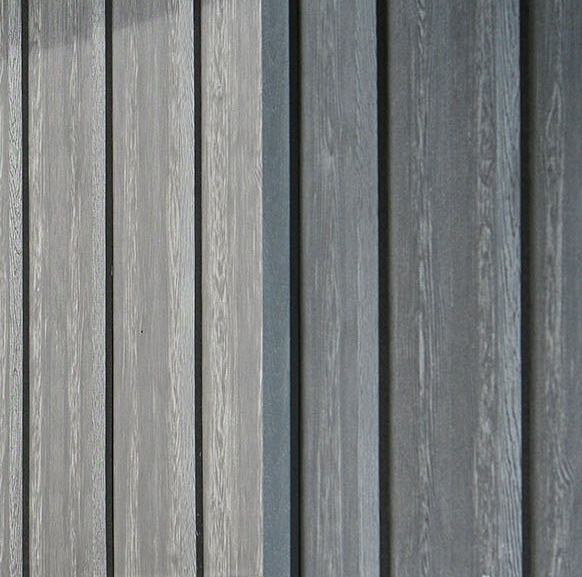
LP engineered wood siding is particularly useful when homeowners want the appearance of traditional painted wood without recreating all of the maintenance requirements of natural wood.
LP SmartSide is available in traditional lap and shake-style products, including Cedar Texture options with pronounced wood-grain detailing as well as smoother finishes that resemble painted wood. Explore LP SmartSide siding options.
That combination of traditional profiles, trim options and colour choices means an older home can be updated without automatically losing the visual qualities that made wood siding appealing in the first place.
James Hardie Fibre Cement Siding
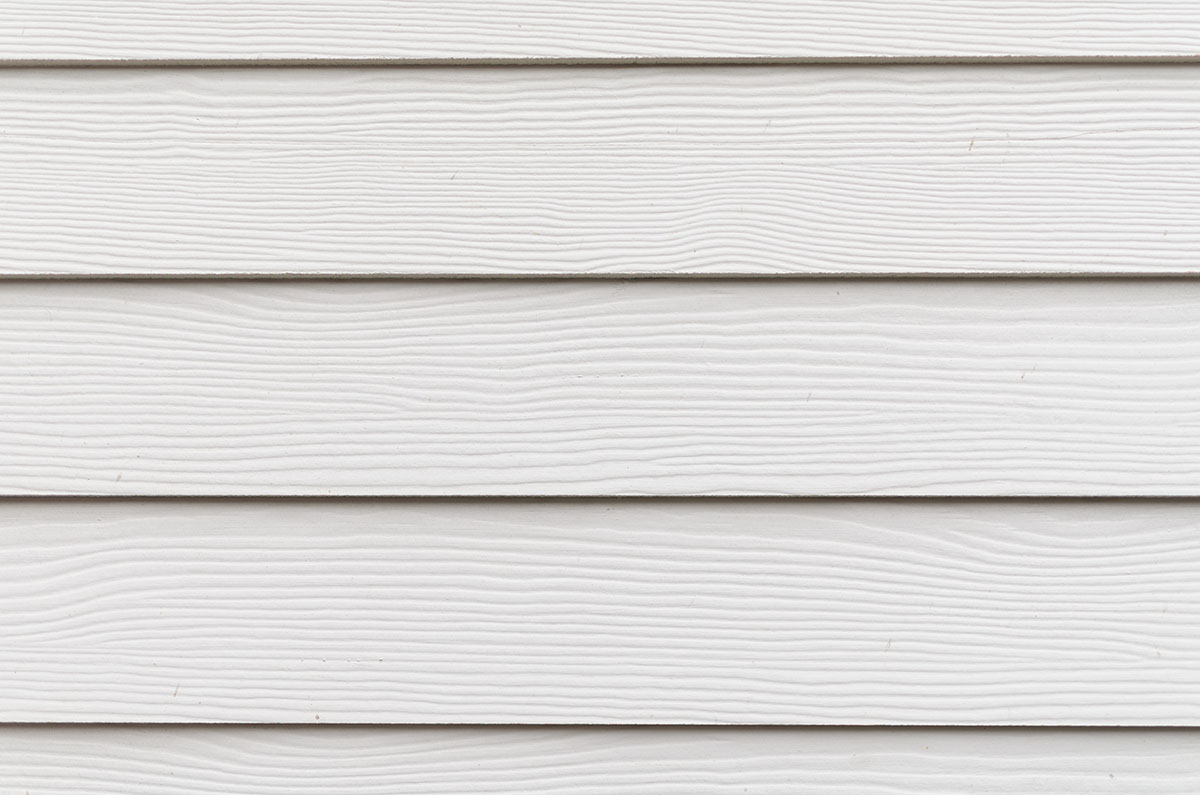
Fibre cement provides another option for homeowners looking for a durable exterior with traditional styling.
James Hardie’s HardiePlank lap siding is available in smooth and woodgrain appearances, while shingle-style products can reproduce the look of more traditional cedar detailing. Explore James Hardie siding products.
Those options can work well when an older home’s design depends on horizontal lap siding, shingle detailing or a combination of exterior textures.
Vinyl Siding
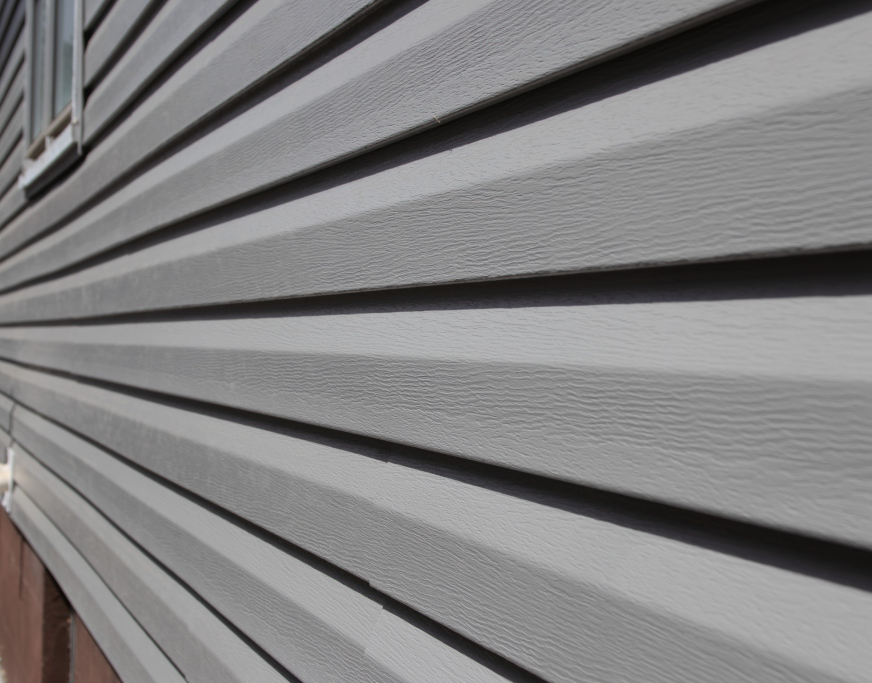
Vinyl siding can also make sense for an older home, particularly when affordability and relatively low maintenance are priorities.
The key is choosing a profile, colour and trim package that suits the house instead of treating siding as a single flat surface. Traditional lap-style siding combined with appropriately sized corner, window and door trim can produce a very different result from an exterior where those details are minimized.
What About Metal Siding?
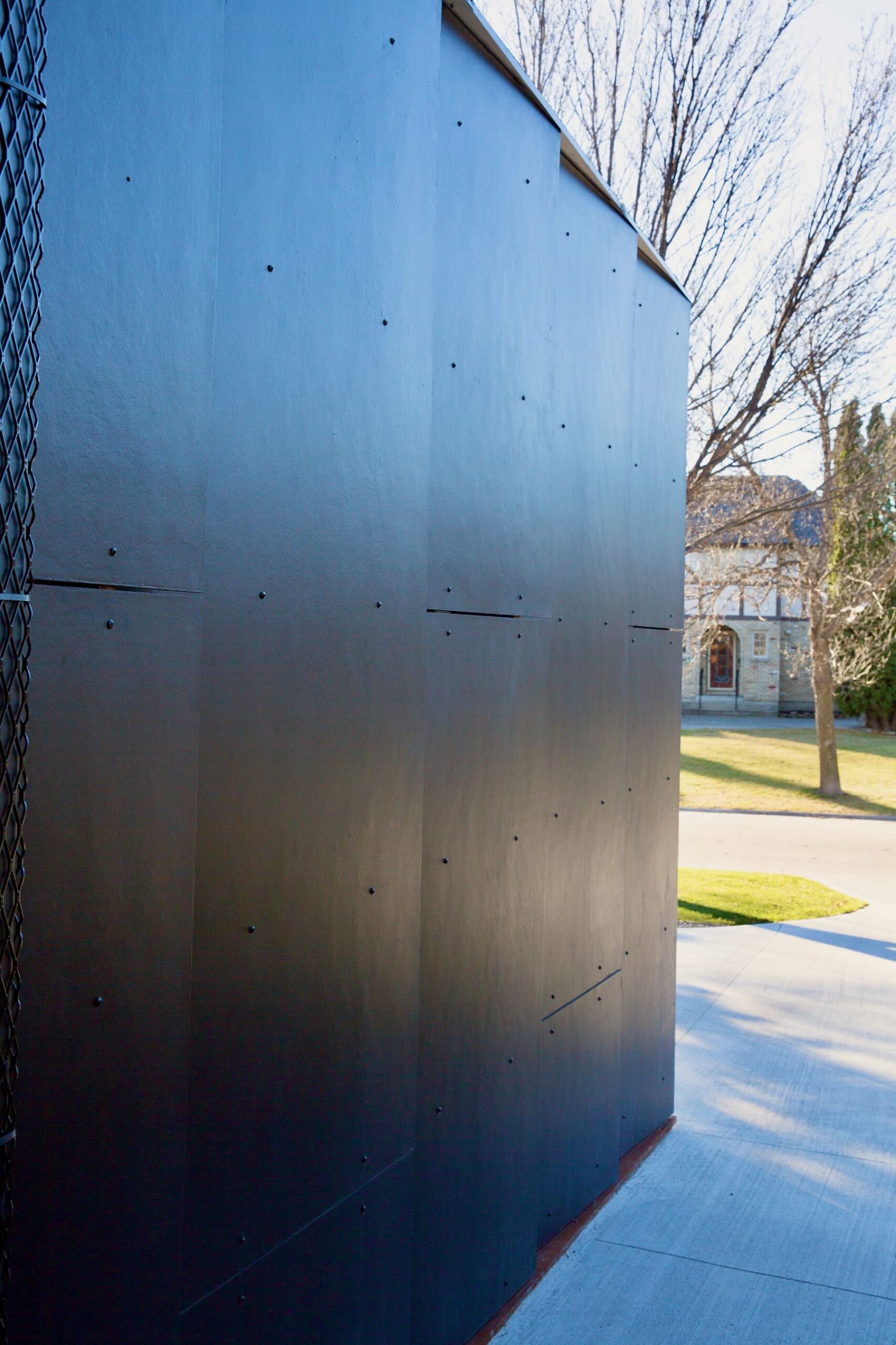
Metal siding offers high durability and a distinct appearance and may be appropriate for some homes or accent areas. On a strongly traditional exterior, however, the overall design and surrounding materials deserve extra consideration.
The goal
Don’t force every older home into the same material. Choose an exterior system that suits the condition of the house, the homeowner’s priorities and the architecture.
What You Can’t See
What Can Be Found Behind the Siding on an Older House?
One advantage of replacing siding is that it provides access to parts of the exterior wall that normally can’t be seen.
That is particularly important in renovation work, where previous repairs, materials and construction methods may have changed over the life of the house.
During Above All’s typical siding replacement process, the existing siding is removed carefully before the exposed sheathing is inspected for rot or deterioration.
Hidden damage isn’t necessarily something anyone could see beforehand.
Some conditions simply cannot be fully evaluated until the old exterior materials have been removed.
Depending on the home, contractors may encounter:
- Deteriorated or damaged sheathing.
- Areas around windows or doors that require better flashing.
- Previous repairs or alterations.
- Gaps or inconsistencies in the existing weather-resistant layer.
- Opportunities to improve insulation.
- Areas where moisture management can be improved.
If significant unexpected deterioration is discovered on an Above All project, the project foreman will discuss the change in scope and associated costs with the homeowner before continuing.
That uncertainty is one reason renovation projects can differ from working on new construction: some decisions can’t be made until the existing materials come off.
While the Wall Is Open
Should You Add Insulation While Replacing Siding?
It is worth considering.
That doesn’t mean every siding replacement needs an insulation upgrade. But if the exterior is already being opened, it can be a practical opportunity to look at how the entire wall is performing.
In fact, one of the common questions Above All receives from siding customers is whether they should insulate their walls while replacing their siding.
Depending on the construction and condition of the home, a re-siding project may create opportunities to assess:
- Existing wall insulation.
- Continuous exterior insulation.
- Air leakage.
- Sheathing condition.
- Weather-resistant membranes.
- Window and door flashing.
Above All’s typical siding preparation can include house wrap, window and door flashing, exterior insulation and strapping where those measures are part of the project.
Why Exterior Insulation Can Be Useful
Traditional wood-framed walls contain framing members that interrupt the insulation between the studs. Adding suitable continuous insulation to the outside of the wall can help reduce this thermal bridging.
Above All also uses strapping in appropriate assemblies to create space behind the siding that allows the wall to better manage and dry incidental moisture. This approach is particularly relevant in Winnipeg, where the exterior wall has to perform through long cold winters as well as warm summer conditions.
Think of the wall as a system.
The correct approach depends on how the existing house was constructed, so insulation and moisture-management upgrades should be planned as part of the complete wall assembly rather than added in isolation.
Are Rebates Available?
Efficiency Manitoba currently offers rebates for qualifying home-insulation projects, including eligible exterior wall insulation installed when re-siding. Projects need to meet program requirements, and approval is required before work begins. Because programs and eligibility requirements can change, homeowners should confirm the current requirements with Efficiency Manitoba when planning their project.
Winnipeg Conditions
Why the Wall Behind the Siding Matters in Winnipeg
Siding is an important part of the exterior, but it is only one layer of the wall.
Winnipeg homes experience snow, rain, wind, significant seasonal temperature changes and periods where moisture can move through or collect within a wall assembly.
That’s why a siding project should consider more than how the finished exterior looks.
A well-planned exterior considers how the pieces work together.
- Siding
- Flashing
- Weather-resistant membranes
- Drainage and drying
- Sheathing
- Insulation
- Windows and doors
- Exterior ventilation details
This becomes particularly important with older houses because the original wall may have been built very differently from a modern assembly — and it may have been altered several times since the house was constructed.
Older-Home Renovations
What Else Should You Expect When Renovating an Older Home?
Older-home renovations sometimes require a little more investigation than newer construction.
A typical siding project begins with removal of the existing material. Once the wall is exposed, the sheathing can be inspected and any necessary repairs discussed. Wall preparation can then include weather-resistant membranes, flashing, insulation and strapping before the new siding and finishing details are installed.
- Remove the existing siding. The old material is removed carefully so the wall underneath can be inspected.
- Inspect the sheathing. Hidden deterioration or other conditions can be identified once the exterior is open.
- Prepare the wall. Repairs, flashing, house wrap, insulation or strapping can be addressed where they are part of the project.
- Install the new exterior. The new siding, trim and finishing details complete the exterior.
Older Materials May Need Special Attention
Homeowners should also be aware that some older building materials may require special handling.
Health Canada notes that homes built before 1960 probably contain some lead-based paint, while exterior paint on homes built between 1960 and 1990 may also contain lead. Learn more from Health Canada.
Health Canada also notes that asbestos was used in a range of Canadian building materials before 1990, including some exterior siding and insulation products. If materials suspected of containing asbestos will be disturbed during renovations, professional testing may be appropriate before work proceeds. Read Health Canada’s renovation guidance.
Important: The presence of an older material doesn’t automatically mean there is a problem. It simply means the age and construction history of the home should be considered when planning renovations.
Heritage Considerations
What If My Winnipeg Home Is a Heritage Property?
There is an important difference between an older or heritage-style home and a property that has formal heritage protection.
Many Winnipeg homes have traditional architectural character without being legally designated heritage properties.
Heritage property?
If a property is on the City of Winnipeg’s List of Historical Resources, alterations affecting protected character-defining elements may require a heritage permit. Properties within a Heritage Conservation District may also have additional requirements.
If you’re unsure about the status of your property, check with the City of Winnipeg before making significant exterior changes.
Even when no formal heritage restrictions apply, it is still worth considering what gives the house its character before choosing replacement siding.
The objective doesn’t have to be to make an old house look newer. Often, a better goal is to make it look like a well-cared-for version of itself.
Repaint or Replace? A Simple Way to Think About It
| Repainting or repair may make sense when… | Replacement may make sense when… |
|---|---|
| The siding itself remains solid. | The material has widespread rot or deterioration. |
| Problems are mainly fading or finish-related. | Problems extend beyond the painted surface. |
| Damaged areas are isolated. | Damage and repairs are becoming widespread. |
| You want to preserve the existing material. | Matching the existing siding has become difficult. |
| You’re comfortable with ongoing painting and maintenance. | Reducing ongoing exterior maintenance is a priority. |
| The existing wall doesn’t require major changes. | You want to address insulation or other wall-system improvements. |
| The existing siding profile is an important original feature. | A modern product can reproduce the character you want while meeting your other priorities. |
This isn’t a diagnostic checklist. It is a useful starting point. The right choice depends on both the visible siding and the condition of the exterior assembly.
The Best Choice Starts With the Condition of the House
There is nothing inherently wrong with keeping old siding.
If the material is sound, repainting, maintenance and targeted repairs can be a sensible way to preserve an older Winnipeg home’s exterior.
Replacement becomes more compelling when deterioration is widespread, maintenance is becoming repetitive or opening the exterior creates a worthwhile opportunity to improve the wall underneath.
And choosing new siding doesn’t mean sacrificing the home’s character.
Modern engineered wood, fibre cement and vinyl siding can provide traditional profiles, realistic textures and colour combinations that work well with older architecture. When those materials are combined with thoughtful trim, proportions and exterior details, the finished home can retain its familiar character while benefiting from a more modern exterior system.
Not sure what your siding needs?
Start With an Exterior Assessment
If you’re unsure whether your existing siding still has useful life left, Above All can help assess the exterior, discuss repair and siding options, and look at opportunities to address insulation or the wall assembly when replacement makes sense.
Frequently Asked Questions
Can old wood siding be repainted instead of replaced?
Yes. If the siding itself remains solid and deterioration is primarily limited to the paint or finish, repainting and targeted repairs may be completely reasonable. Widespread rot, recurring moisture problems or significant physical deterioration may indicate that more extensive repairs or replacement should be considered.
Does peeling paint mean my siding is rotten?
Not necessarily. Peeling paint can be a surface or coating problem. However, recurring paint failure can also be associated with moisture, so the condition of the material underneath should be checked rather than simply covered with another coat.
What modern siding looks most like traditional wood?
Engineered wood and fibre cement siding are both available in profiles and textures intended to reproduce traditional wood appearances. LP SmartSide, for example, offers cedar-textured lap and shake-style siding, while James Hardie offers traditional lap and shingle-style products.
Should I add insulation when replacing my siding?
Not every home needs exterior insulation, but replacing siding provides an opportunity to assess the existing wall and determine whether insulation, air sealing, flashing or moisture-management improvements would be worthwhile. Above All can incorporate exterior insulation and strapping into siding projects where appropriate.
What happens if rot is found behind my siding?
Once old siding is removed, the exposed sheathing can be inspected. If Above All discovers significant unexpected deterioration, the project team will discuss the change in scope and costs with the homeowner before proceeding.
Can I replace the siding on a heritage home in Winnipeg?
Possibly, but formally protected properties can have additional requirements. Properties on Winnipeg’s List of Historical Resources and properties within Heritage Conservation Districts may be subject to heritage permit requirements. Check your property’s heritage status before planning significant exterior changes.