Your roof works hard in every season. It protects your home from rain, snow, hail, wind, ice dams, summer heat, and Winnipeg’s charming habit of changing weather faster than a toddler changes their mind.
Regular roof maintenance helps extend your roof’s life, prevent water infiltration, and reduce the risk of costly repairs. Whether you have an asphalt shingle roof, cedar shakes, composite shingles, metal roofing, or another roofing system, routine inspections and timely repairs can help protect your home before minor issues become serious damage.
Most homeowners do not think about their roof until they notice missing shingles, a leak, water stains, or visible storm damage. But by that point, moisture may already be affecting the roof deck, attic spaces, insulation, or interior finishes. A bit of prevention goes a long way.
Why Roof Maintenance Matters in Winnipeg
Winnipeg roofs deal with harsh weather conditions throughout the year. Heavy snow, high winds, hail, summer storms, freeze-thaw cycles, and rapid temperature swings can all wear down roofing materials over time.
A steep older home in Wolseley may have very different roofing concerns than a walkable bungalow in North Kildonan or a newer home in Charleswood. Roof slope, age, ventilation, insulation, tree coverage, roof valleys, and past renovations can all affect how well a roof performs.
That is why regular maintenance should look at the full roofing system, not just the shingles. Your roof deck, flashing, vents, eavestroughs, downspouts, insulation, and proper attic ventilation all play a role in keeping your home protected.
How Often Should You Inspect Your Roof?
Homeowners should inspect their roof at least twice a year: once in the spring and once in the fall.
A spring roof inspection helps identify damage caused by winter snow, ice dams, heavy winds, and freezing temperatures. A fall inspection helps prepare your home’s roof before snow, ice, and colder weather return.
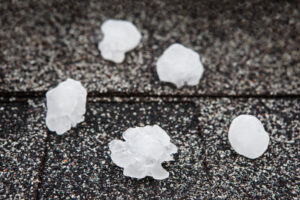
You should also check your roof after major weather events, including hailstorms, high winds, heavy rainfall, rapid snowmelt, or falling tree branches.
A roof inspection does not always mean climbing onto the roof. In fact, most homeowners should avoid walking on their roof unless they have the right safety equipment and experience. Many early warning signs can be spotted from the ground with binoculars, from a properly secured ladder, or from inside the attic.
What to Look for During a Roof Inspection
During a basic roof inspection, look for signs that the roof surface, edges, or drainage areas are not performing as they should.
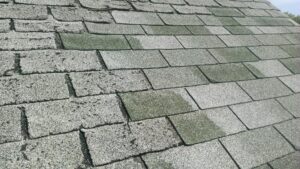
Common warning signs include missing shingles, damaged shingles, cracked shingles, curling shingles, exposed nails, loose flashing, debris in roof valleys, sagging eavestroughs, disconnected downspouts, algae stains, moss growth, and branches touching the roof.
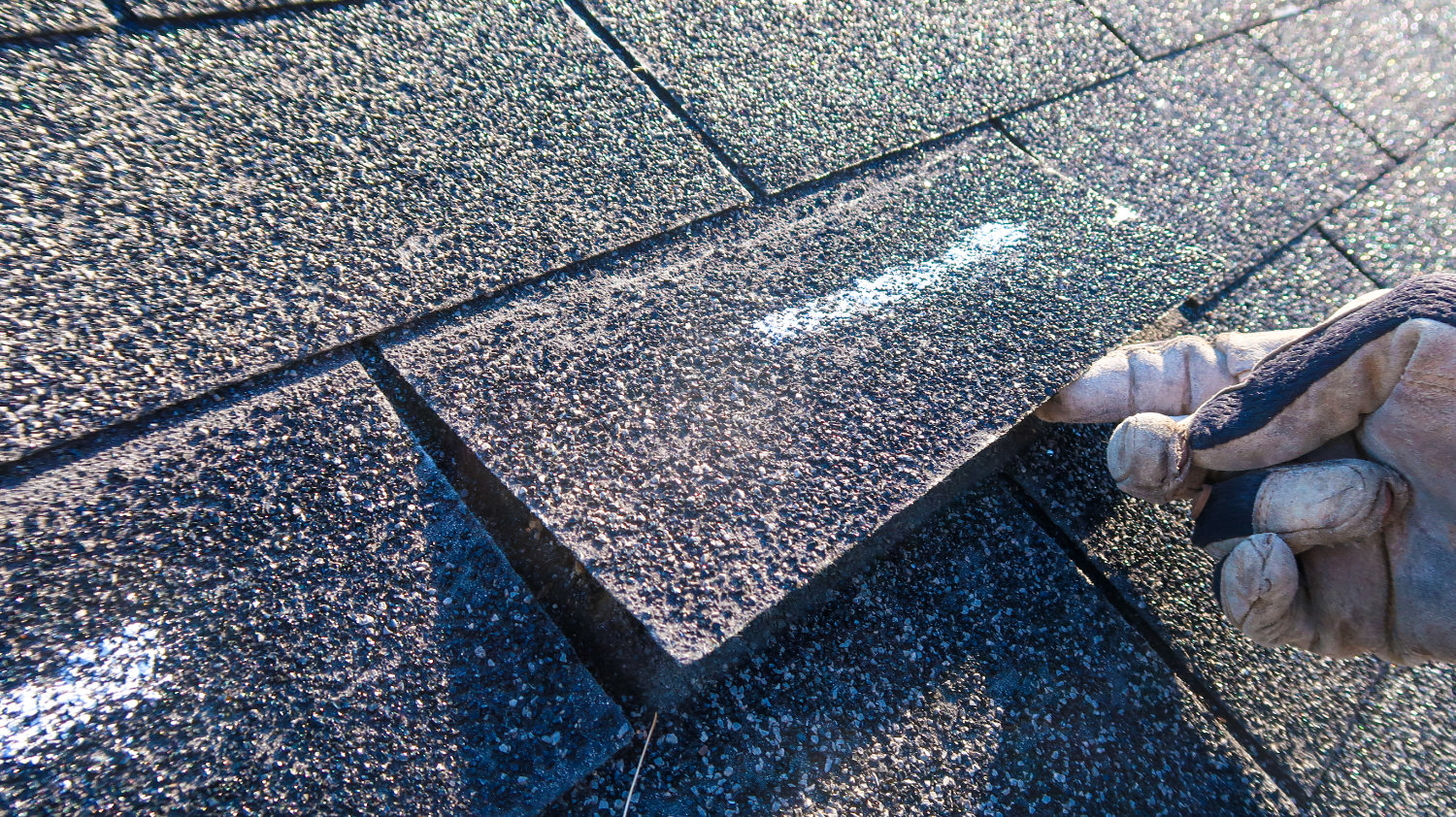
For an asphalt shingle roof, pay attention to shingles that look brittle, lifted, uneven, or bare. Shingle granules protect the roof surface, so excessive granule loss can be a sign of aging roof materials or storm damage.
You should also watch for signs of water infiltration inside the home. Water stains on ceilings or walls, peeling paint, musty smells, attic moisture, or mold growth may point to leaks or ventilation problems.
Keep Eavestroughs and Downspouts Clear
Eavestroughs and downspouts are a key part of your roofing system. They move rainwater and melting snow away from the roof, siding, and foundation. When they are clogged with leaves, twigs, shingle granules, or other debris, water can overflow or collect near vulnerable areas.
Clean eavestroughs help maintain proper drainage and reduce the risk of water damage. Check them in spring and fall, and more often if nearby tree branches grow over the roof.
Watch for sagging eavestroughs, loose sections, leaks at corners, water spilling over the edge, or downspouts draining too close to the foundation. Keeping eavestroughs clean is one of the simpler maintenance tips that can help prevent costly damage.
Trim Overhanging Branches
Trees can add shade and curb appeal, but overhanging branches can be rough on roofing materials. Branches can scrape shingles, drop leaves into roof valleys, block drainage, encourage moss growth, and give pests a path onto the roof.
Trim overhanging branches before they touch the roof. This helps reduce debris, prevent storm damage, and protect shingles from unnecessary wear. If large tree branches are close to your home’s roof, bring in a professional arborist rather than playing “ladder jousting” in the backyard.
Watch for Moss, Algae, and Moisture
Moss and algae stains are common on shaded or damp roof areas. While algae stains are often cosmetic at first, moss can hold moisture against shingles and contribute to premature wear.
Do not pressure wash an asphalt shingle roof. High-pressure water can damage protective granules and shorten the lifespan of your shingles. If moss growth is spreading or difficult to remove safely, contact a professional roofing contractor.
Moisture is one of the biggest threats to any roofing system. Leaves, branches, and other debris should be removed from roof valleys and drainage paths so water can move off the roof properly.
Check Flashing, Roof Valleys, Vents, and Chimneys
Some of the most vulnerable areas on a roof are the places where materials meet. Flashing protects areas around chimneys, vents, skylights, walls, and roof valleys. If flashing is loose, rusted, cracked, or poorly sealed, water can enter the roofing system.
Roof valleys also deserve close attention because they collect more water than many other parts of the roof. When roof valleys are worn, blocked, or damaged, water may not drain properly. Timely repairs in these areas can help prevent leaks, roof deck damage, and more extensive damage later.
If you notice damaged flashing, lifted shingles around vents, missing sealant, or water stains near chimneys or attic penetrations, book a professional inspection.
Look Inside the Attic
Your attic can reveal roof problems before they show up in the living space. Check attic spaces for water stains, frost, damp insulation, musty smells, mold growth, or light coming through the roof deck.
Proper attic ventilation helps control heat and moisture. Without it, moisture can build up in the attic, especially during Winnipeg’s long cold winters. This can contribute to condensation, mold growth, water damage, and premature aging of roofing materials.
Insulation also matters. If warm air escapes from the living space into the attic, it can contribute to ice dams in winter and heat buildup in summer. Roofing, insulation, and ventilation need to work together.
Understand Ice Dams and Winter Leaks
Ice dams form when heat escapes into the attic and warms the roof surface. Snow melts higher up the roof, runs down toward the colder eaves, and refreezes. As ice builds up, water can back up under shingles and leak into the home.
Ice dams do not always mean you need a new roof. They may be connected to poor attic insulation, air leakage, blocked ventilation, heavy snow buildup, or freeze-thaw conditions.
Removing snow from the roof can help reduce ice dam formation in some situations, but the longer-term solution often involves improving attic insulation, air sealing, and ventilation. If you have recurring ice dams or winter leaks, it is worth having the full system assessed.
Know When Roof Repairs Are Needed
Not every roof problem requires replacement. Minor repairs can often solve localized issues if they are caught early.
Roof repairs may be needed if you notice missing shingles, cracked shingles, damaged shingles, loose flashing, small leaks, water stains, sagging eavestroughs, damaged vents, debris in roof valleys, or moisture in the attic.
Timely repairs can help save money by stopping minor issues before they become costly repairs. However, if your roof has widespread shingle wear, repeated leaks, structural damage, or an aging roof near the end of its service life, replacement may be the better long-term option.
A roofing contractor can help determine whether repair or replacement makes the most sense.
Inspect After Storm Damage
Storm damage can be obvious, but it can also be subtle. Hail, high winds, falling tree branches, and heavy rain can damage shingles, loosen flashing, expose vulnerable areas, and create hidden leaks.
After a major storm, check from the ground for missing shingles, shingle pieces in the yard, dented metal components, branches on the roof, loose exterior materials, or new water stains inside the home.
If you suspect extensive damage, take photos from a safe location and contact a professional roofer. Quick action can help prevent water damage and may support insurance documentation if needed.
Homeowner Safety Comes First
Roof maintenance is important, but safety matters more. Avoid climbing onto wet, icy, steep, or damaged roofs. Use a sturdy ladder only when conditions are safe, and maintain three points of contact when climbing.
Homeowners can usually handle ground-level checks, attic checks, trimming small accessible branches, and keeping accessible eavestroughs clean. Work involving roof access, flashing repairs, shingle replacement, storm damage, structural damage, or active leaks should be handled by a professional.
No blog article is worth becoming a neighbourhood cautionary tale, mate.
Protect Your Roof With Regular Maintenance
Regular roof maintenance is one of the best ways to protect your home, prevent costly repairs, and extend your roof’s life. By checking your roof in spring and fall, keeping eavestroughs clean, trimming overhanging branches, watching for leaks, and addressing minor repairs quickly, you can help your roofing system perform better through every season.
If you are unsure about your roof’s condition, Above All Roofing & Exteriors can help. Our team can inspect your roof, identify vulnerable areas, complete roof repairs, and recommend the right next step for your Winnipeg home.
Contact Above All today to book a roof inspection or request a free consultation.