
MANITOBA HOMEOWNER GUIDE
Fall gives Manitoba homeowners an important opportunity to look over their roof before snow, ice and sustained freezing temperatures make problems harder to see and repair.
You don’t necessarily need to climb onto your roof to make that inspection worthwhile. Missing shingles, damaged roof edges, clogged eavestroughs, nearby branches and even signs of a leak can often be spotted from the ground, an upper-storey window or inside your home.
The goal isn’t to make your roof “winter-proof.” It’s to identify damage, drainage problems and other warning signs while there’s still time to investigate them.
IN THIS GUIDE
Quick checklist 10 roof checks Ice dams Professional inspection Maintenance packages FAQs
Quick Fall Roof Maintenance Checklist
Before winter arrives:
- Inspect shingles and visible roof surfaces for damage.
- Look at roof edges, ridge caps and valleys where visible.
- Check flashing around chimneys, walls and other roof intersections.
- Look at vents and other roof penetrations.
- Clear leaves and debris from eavestroughs and downspouts.
- Check soffit and fascia for visible damage or staining.
- Look indoors and in the attic for signs of moisture.
- Check for branches or debris threatening the roof.
- Consider whether previous ice-dam or attic-moisture problems point to insulation or air-leakage issues.
- Arrange repairs before snow and ice make the problem harder to access.
Safety first: Many of these checks can begin safely from the ground. If properly inspecting something requires walking on the roof, especially on a steep, high or damp surface, consider having a roofing professional take a closer look.
ROOF CHECK 01
Inspect the Roof From the Ground First
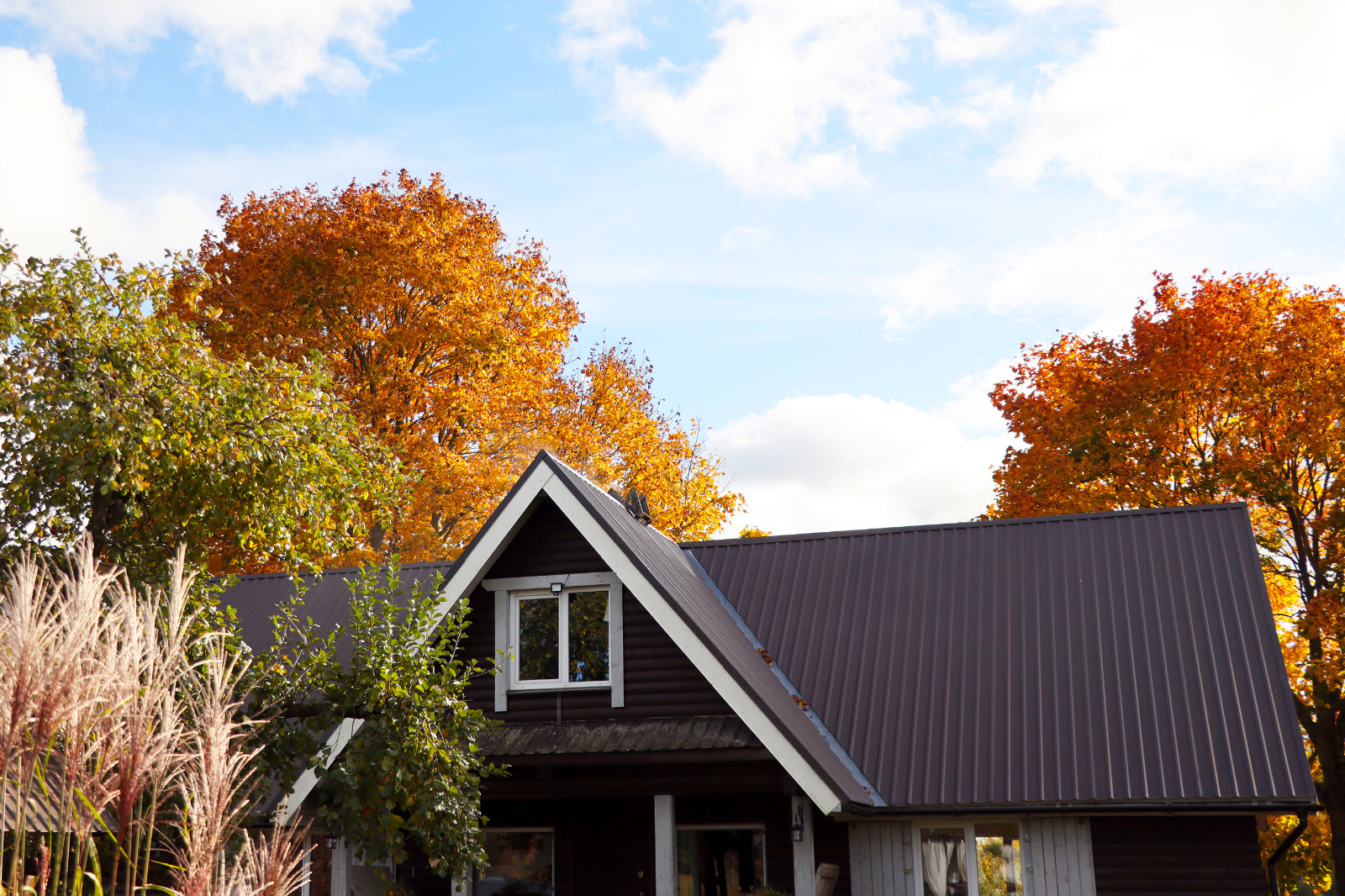
Start by stepping far enough away from the house to see as much of the roof as possible.
Look for obvious differences in the roof surface, including:
- missing shingles;
- shingles that appear lifted, shifted or damaged;
- uneven areas;
- damaged or missing ridge-cap material;
- debris collecting on the roof; and
- anything around vents or other roof features that appears loose or out of place.
If you find pieces of shingles or other roofing material on the ground after strong winds or storms, that’s another reason to take a closer look.
An upper-storey window may provide a safe view of roof areas that aren’t visible from the yard.
Homeowner check: Look for obvious changes without climbing onto the roof.
Consider professional help when: you can see damage, suspect storm damage or can’t properly assess an area from a safe location.
ROOF CHECK 02
Pay Attention to Roof Valleys
Roof valleys are the channels where two sloping roof sections meet. Because water from multiple areas of the roof is directed through them, they are important drainage paths.
Leaves, needles and other debris can collect in valleys during fall. From a safe vantage point, look for obvious debris buildup or signs that roofing materials in the valley have shifted or deteriorated.
Valley construction can vary from one roof to another. Some roofs use exposed metal valleys, while others use shingles over the valley area.
Above All’s own roofing process treats valley flashing as a distinct part of the roof system, along with underlayment, shingles, vents, ridge caps and sealants.
If a valley needs physical cleaning or closer inspection that requires getting onto the roof, leave that work to someone equipped to do it safely.
ROOF CHECK 03
Check Flashing and Roof Intersections
Not every potential leak starts in the middle of a shingle.
Flashing helps manage water where the roof meets other components, including areas around chimneys, walls, valleys and certain penetrations. These transitions deserve attention during a fall inspection.
IKO includes flashing among the components a roofing professional should assess during a pre-winter roof inspection, along with shingles, valleys, gutters and sealants.
From the ground or another safe location, watch for:
- visibly loose or displaced metal;
- sections pulling away from a wall or chimney;
- obvious corrosion or deterioration;
- damaged material around roof intersections; and
- sealant that appears badly cracked or separated.
Don’t try to diagnose every piece of flashing from the driveway. The point of a homeowner inspection is to recognize when something looks wrong enough to deserve a closer look.
ROOF CHECK 04
Look at Roof Vents and Other Penetrations
Plumbing stacks, roof vents and other penetrations create intentional openings through the roof assembly. Those openings need to remain properly detailed against water entry.
Look for anything obviously loose, damaged or displaced around visible penetrations.
Above All’s roofing process includes work around plumbing stacks, roof ventilation, flashing and required sealants, reinforcing why these transition points are worth including in a roof inspection.
Consider professional help when: a vent appears loose, flashing around a penetration looks damaged or you see signs of leakage below that area.
ROOF CHECK 05
Clean Your Eavestroughs and Downspouts
Fall leaves and debris can quickly collect in eavestroughs, especially on properties with mature trees.
Clear eavestroughs and downspouts allow rainwater — and eventually spring snowmelt — to move through the drainage system rather than overflowing around the roof edge.
Look for:
- leaves and debris;
- standing water;
- loose or sagging sections;
- leaking connections;
- downspouts that have become disconnected; and
- staining on fascia or siding that may indicate overflow.
Above All generally recommends cleaning eavestroughs in spring and fall, with more frequent attention potentially needed around overhanging trees.
If cleaning them requires an unsafe ladder position or reaching across the roof edge, consider professional cleaning instead.
Do Clogged Eavestroughs Cause Ice Dams?
Not exactly.
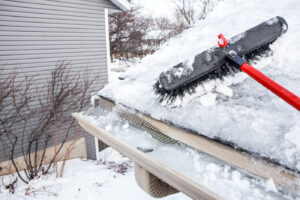
Clogged eavestroughs can interfere with drainage and contribute to water and ice accumulating around the roof edge. But the underlying cause of many ice dams is heat reaching the roof deck from the home.
Natural Resources Canada explains that a well air-sealed and insulated attic helps keep the roof surface colder. When heat escapes into an attic and warms portions of the roof, snow can melt higher on the roof and then refreeze when that water reaches the colder eaves.
That means cleaning the eavestroughs is worthwhile fall maintenance, but it shouldn’t be treated as the complete solution to a recurring ice-dam problem.
If your home develops ice dams year after year, it may be worth investigating the attic’s air sealing, insulation and ventilation as a system.
ROOF CHECK 06
Look at the Eaves, Soffit and Fascia
While you’re checking your eavestroughs, look at the surrounding roof edge.
Pay attention to:
- loose fascia;
- staining below the roof edge;
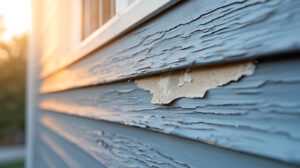
- peeling or deteriorated finishes;
- visible damage;
- sagging components; and
- soffit areas that appear damaged or blocked.
The fascia helps form the roof edge and often supports the eavestrough system, while vented soffit can form part of the attic ventilation strategy.
Above All’s exterior process includes inspecting the soffit boards, fascia or sub-fascia and rafter tails for rot when existing aluminum components are removed.
Don’t automatically seal soffit openings because they appear to be gaps. They may be designed to allow ventilation into the attic.
ROOF CHECK 07
Look Inside for Signs of a Roof or Attic Problem
Some roof problems are easier to notice from inside the house.
Check ceilings and upper-storey walls for:
- new water stains;
- damp areas;
- peeling finishes;
- recurring discolouration; and
- evidence of previous leakage that appears to be changing.
If you have an accessible attic, look for obvious signs of moisture on the underside of the roof sheathing or along rafters.
However, moisture in an attic isn’t always coming through the roof.
Natural Resources Canada notes that moisture can enter from outside through roofing or flashing problems, but it can also be carried into the attic by warm, moist indoor air leaking through ceiling penetrations such as plumbing stacks, exhaust ducts, wiring penetrations and attic hatches.
This distinction is especially important in Manitoba.
If you’ve had recurring attic frost, condensation or springtime moisture, the right diagnosis may involve the roof and the building envelope rather than simply replacing a shingle.
ROOF CHECK 08
Think About Insulation, Air Sealing and Ventilation Together
Older roofing advice sometimes treats attic ventilation as the automatic solution to condensation or ice dams.
It’s more complicated than that.
Natural Resources Canada describes air sealing as a critical first step in controlling attic moisture. Insulation helps limit heat transfer into the attic, while appropriate ventilation helps manage moisture that still reaches the roof space. It also specifically warns that simply adding more ventilation doesn’t correct problems caused by significant air leakage from the house below.
Above All’s team has made a similar point based on local experience: roofing, insulation and ventilation need to work together in Manitoba’s climate.
Signs that warrant a closer look include:
- recurring ice dams;
- significant attic frost;
- condensation or wet roof sheathing;
- moisture around attic penetrations;
- unusually uneven snowmelt across the roof; and
- recurring winter leaks without an obvious exterior cause.
Learn how attic insulation, air sealing and ventilation work together at Above All Insulation →
ROOF CHECK 09
Check Nearby Trees and Debris Risks
Branches hanging over a roof can drop leaves and needles into valleys and eavestroughs. Branches that physically contact the roof may also rub against roofing materials, particularly when moved by the wind.
Look for:
- dead or damaged limbs above the roof;
- branches resting against shingles;
- vegetation touching the roof edge;
- debris accumulating in valleys; and
- branches near overhead electrical lines.
Small, safely accessible pruning may be manageable for a homeowner. Large branches, work above the roof or anything around electrical lines should be handled by appropriately qualified professionals.
For a broader look at siding, windows, doors, drainage and other areas around the property, see our Home Exterior Fall Maintenance Checklist for Manitoba Homeowners.
ROOF CHECK 10
Address Roof Leaks Before Winter When Possible
A roof leak doesn’t generally become easier to diagnose once the roof is covered in snow and ice.
Watch for:
- ceiling stains;
- dripping after rain;
- damp attic insulation;
- moisture along rafters or roof sheathing; and
- visible exterior damage near the suspected area.
The visible stain inside the house isn’t always directly below the source of the leak because water can travel along roof framing and other materials before becoming visible.
If you’ve noticed an active leak or recurring moisture, having the source investigated before winter can make both diagnosis and repair easier.
What Should a Professional Fall Roof Inspection Look At?
The exact inspection depends on the home and roof design, but common areas worth assessing include:
- shingles and other roof coverings;
- ridge caps;
- roof valleys;
- flashing;
- chimneys and wall intersections;
- vents and plumbing penetrations;
- sealants where appropriate;
- roof edges;
- eavestroughs and downspouts;
- soffit and fascia; and
- visible signs of water intrusion.
IKO similarly identifies shingles, flashing, valleys, gutters and roof sealants among the areas commonly reviewed during a pre-winter roof inspection.
The advantage of a professional inspection is not simply getting someone onto the roof. It’s having someone distinguish between normal wear, routine maintenance and a problem that actually needs repair.
Which Roofing Problems Are Worth Addressing Before Winter?
You don’t need to replace your roof simply because fall has arrived.
Give greater priority to issues that are already compromising the roof or likely to become difficult to access once snow arrives, including:
- missing roofing materials;
- visibly loose roof components;
- damaged flashing;
- active leaks;
- seriously clogged or damaged eavestroughs;
- damaged roof penetrations;
- substantial storm or tree damage; and
- recurring moisture that hasn’t been properly diagnosed.
Minor cosmetic issues may not require immediate action. When you’re unsure, a proper assessment can help establish the difference.
ABOVE ALL ROOFING & EXTERIORS
Need a Hand With Fall Roof Maintenance?
Above All’s Fall Maintenance Packages are intended for homeowners who want help with some of the harder-to-reach fall maintenance tasks.
The current packages include:
- gutter and downspout cleaning;
- a visual inspection for visible deficiencies involving the roof, eaves and siding; and
- minor roof touch-ups such as resealing existing sealant or fastening loose vents or flashing.
If the inspection identifies something requiring a larger repair, that work is quoted separately. The inspection included with the package is visual only.
What Happens Once Winter Arrives?
Fall maintenance is about finding problems before the roof is covered by snow and ice.
Once winter is underway, the questions change. Homeowners may need to watch for excessive snow accumulation, icicles, active ice dams, attic frost or leaks that appear during freeze-thaw conditions.
Rather than covering all of those situations here, see our guide to preparing for and caring for your roof during a Winnipeg winter.
COMMON QUESTIONS
Fall Roof Maintenance FAQs
When should I inspect my roof before winter?
There’s no universal date. In Manitoba, the useful window is during fall while the roof is still reasonably visible and conditions are safe enough to investigate or repair problems before sustained snow and freezing weather.
Waiting until the first major snowfall can make both inspection and repair more difficult.
Can I inspect my roof without climbing onto it?
Yes. A ground-level inspection can reveal missing shingles, debris, visibly damaged roof areas, loose components and problems around the eaves.
An upper-storey window can provide another safe vantage point.
If something requires walking on the roof to inspect properly, especially on a steep or slippery roof, consider professional help.
Do clogged eavestroughs cause ice dams?
Clogged eavestroughs can create drainage and icing problems around the roof edge, but recurring ice dams are often related to heat reaching the roof deck.
Air leakage, insulation and the attic/roof assembly should be considered together when diagnosing repeated ice-dam problems.
Does more attic ventilation prevent ice dams?
Not necessarily.
Ventilation is part of a properly functioning attic, but Natural Resources Canada cautions that ventilation alone will not correct moisture problems created by air leakage. Air sealing and insulation are important parts of controlling roof temperature and attic moisture.
Should I repair a small roof leak before winter?
An active leak is worth investigating rather than assuming it can safely wait until spring.
Small amounts of visible interior water don’t necessarily indicate a small exterior problem, and snow and ice can make the source harder to inspect later.
Give Your Roof a Check Before the Snow Arrives
Fall roof maintenance doesn’t have to mean climbing onto the roof with a toolbox.
Start with what you can safely observe: the roof surface, drainage system, roof edges, nearby trees and signs of moisture inside the house. If something looks damaged or you have a history of leaks, attic frost or ice dams, investigate the underlying problem rather than waiting for winter to expose it again.
A little attention in fall gives you something particularly valuable before a Manitoba winter: time to deal with a problem while the roof is still accessible.