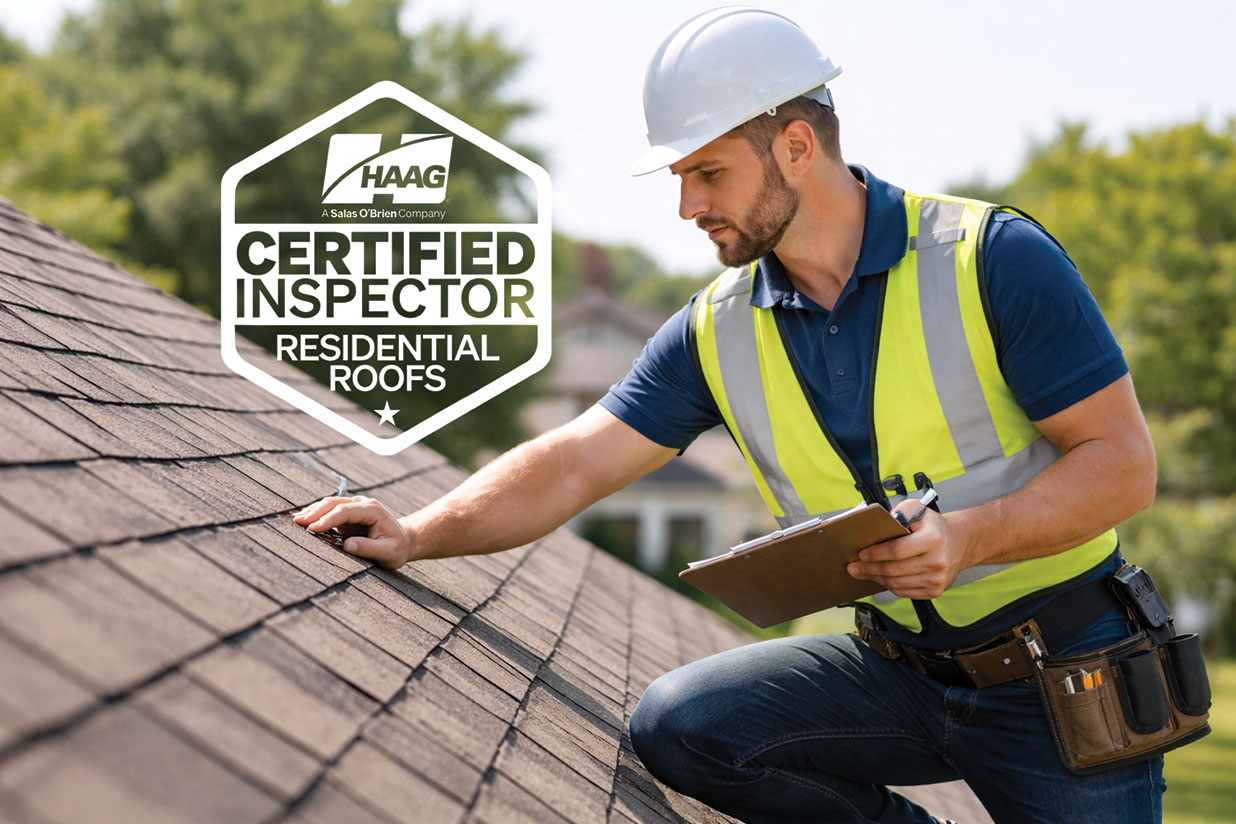
A roof replacement is a major investment, and the roofing contractor you choose matters just as much as the shingles. Proper installation protects your home from Winnipeg’s snow, wind, rain and temperature swings. Poor work can lead to water stains, damaged insulation and expensive repairs.
Before signing a contract, ask the following questions. They will help you compare roofing companies, understand what you are paying for and make an informed decision.
1. Can You Verify Your Insurance, WCB Status and Safety Credentials?
Ask for proof of current commercial liability insurance and confirmation that the company is in good standing with the Workers Compensation Board of Manitoba. A WCB clearance can help verify a contractor or subcontractor’s status.
COR or SECOR safety certification and membership in an industry association such as the Manitoba Exterior Contractors Association are also positive signs. If subcontractors will be used, ask who supervises them and whether they have appropriate insurance coverage.
Manitoba offers voluntary certification for Roofer and Sloped Roofer trades, so asking only whether someone is “licensed” does not provide the full picture. Ask about the training and experience of the people who will inspect, supervise and install your roof. Learn more about Manitoba roofing trades.
2. Have You Completed Roofing Projects Like Mine?
Look for experience with homes, roof shapes and roofing materials similar to yours. An older Winnipeg home with a steep roof, chimney or additions may require a different approach than a newer bungalow.
Ask for recent projects and at least one reference whose roof has been through several winters. You can also check independent reviews and the Better Business Bureau. Pay attention to comments about communication, final costs, cleanup and how the roofing business responded when customers had concerns.
A new company is not automatically a poor choice, but it should still be able to demonstrate relevant experience and qualified supervision.
3. What Will You Inspect Before Recommending Work?
A good roofer should inspect more than the visible shingles. Depending on access, the assessment may include:
- Valleys, flashing and roof-to-wall connections
- The chimney, plumbing stacks and other penetrations
- The roof deck or sheathing where visible
- Attic ventilation, moisture, frost or water stains
- Soffit intake, fascia and eavestrough drainage
- Insulation and obvious air-leakage concerns
Some potential issues, such as rotten sections of roof deck, may remain hidden until the tear-off begins. The contractor should explain what can be inspected beforehand and how concealed damage will be handled.
4. What Is Included in the Written Quote?
Do not compare estimates by price alone. A significantly lower quote may leave out materials or services included by another roofing company.
The written scope should identify the shingles and other products being installed, along with details such as:
- Removal and disposal of old roofing materials
- Inspection and possible repair of the roof deck
- Ice and water shield and underlayment
- Drip edge, starter materials and valley protection
- Wall, chimney and plumbing-stack flashing
- Vents, ridge capping and sealants
- Property protection and cleanup
- Applicable permits and building codes
- How additional costs or change orders will be approved
The Manitoba Consumer Protection Office recommends a written agreement that includes the work, materials, estimated cost, schedule, deposit and payment terms.
5. Which Roofing Materials Do You Recommend, and Why?
Ask for the shingle manufacturer and exact product line being quoted. The contractor should explain why those materials suit your roof, budget and priorities—not simply say they are “the best.”
The answer should also cover underlayment, ice and water protection, starter materials, ridge caps, vents and flashing. These components must work together and follow the manufacturer’s instructions. Proper installation is important for both roof performance and limited warranties.
For Winnipeg homeowners, recommendations should consider cold temperatures, wind exposure, freeze-thaw conditions, snow loads, roof pitch and how water will move away from vulnerable areas.
6. Will You Consider the Complete Exterior System?
The roof does not work alone. The roof deck, attic, insulation, ventilation, soffit, fascia, siding and eavestroughs all help manage water, heat, airflow and moisture.
For example, adding exhaust vents may not help if soffit intake is blocked. New shingles may not stop recurring ice dams caused by attic air leakage or insufficient insulation. Natural Resources Canada recommends addressing air leaks and insulation when dealing with ice dams, with ventilation improvements considered where appropriate. Read the NRCan guidance.
Not every roofing project needs additional exterior work. A professional roofer should simply recognize connected concerns and help plan the work in the right order. Learn more about how a complete exterior system protects Winnipeg homes.
7. Who Will Manage the Job and Approve Changes?
Ask who will supervise the roof installation and become your main contact once the project begins. You should know who handles scheduling, questions, potential issues and project updates.
If rotten decking or another hidden problem is discovered, the contractor should explain the damage, provide the cost and receive your approval before completing work outside the original scope.
Above All assigns a department supervisor to oversee project management and a team leader on site to communicate changes and provide a project wrap-up. Our roofing process outlines what homeowners can expect from tear-off through final cleanup.
8. How Will You Protect My Property and Clean Up?
Roofing jobs create nails, dust and debris. Ask how the crew will protect your windows, siding, driveway, landscaping, decks and neighbouring property.
The roofing company should explain where its trailer or disposal bin will go, how removed materials will be controlled, and how the yard and driveway will be checked afterward. Cleanup, disposal and a final walk-around should be part of the job.
You should also receive clear instructions about moving vehicles, patio furniture, planters and barbecues before the crew arrives.
9. What Warranties Will Protect My Roof?
Ask about both types of warranty:
- A manufacturer’s limited warranty generally covers eligible defects in the roofing materials.
- A workmanship warranty covers eligible problems caused by the contractor’s installation.
Review the length of coverage, exclusions, transferability and process for requesting service. A long product warranty does not necessarily cover installation mistakes, so do not judge warranty protection by the advertised number of years alone.
Above All provides a standard seven-year roofing workmanship warranty, with an optional extended warranty available with selected performance shingles. Repair services typically do not receive the same coverage. Read our warranty FAQ.
10. What Are the Schedule and Payment Terms?
The contract should include an expected start window, approximate completion time and how weather delays will be communicated. Ask how the roof will be protected if conditions change while work is underway.
Payment terms should identify the deposit, any progress payments, final payment and how approved changes will appear on the invoice. Avoid paying the full project cost before work begins. If financing options are offered, review the total cost and payment requirements carefully.
Manitoba’s Consumer Protection Office also provides information about construction holdbacks and special rules for home improvements sold by direct sellers.
Roofing Contractor Red Flags
Warning signs to watch for include:
- No proof of insurance or WCB standing
- A vague quote with few material or labour details
- Pressure to sign immediately or pay in full
- No clear project supervisor or change-order process
- Verbal promises instead of written warranty terms
- A price far below every other quote without a clear explanation
Choose a Contractor Who Can Answer Your Questions
The right roofer should be able to explain what your home needs, what the project includes and why each roofing material is being recommended. Clear answers before work begins are a good indication that communication will remain clear if the project encounters a surprise.
Above All Roofing & Exteriors has served Winnipeg homeowners for more than 20 years and is COR safety certified and a MECA member. Our roofing, insulation, siding and aluminum teams work together to identify connected exterior concerns and recommend solutions suited to the home.
If you are planning a roof repair or full roof replacement, request a free quote or speak with one of our roofing advisors about your options.