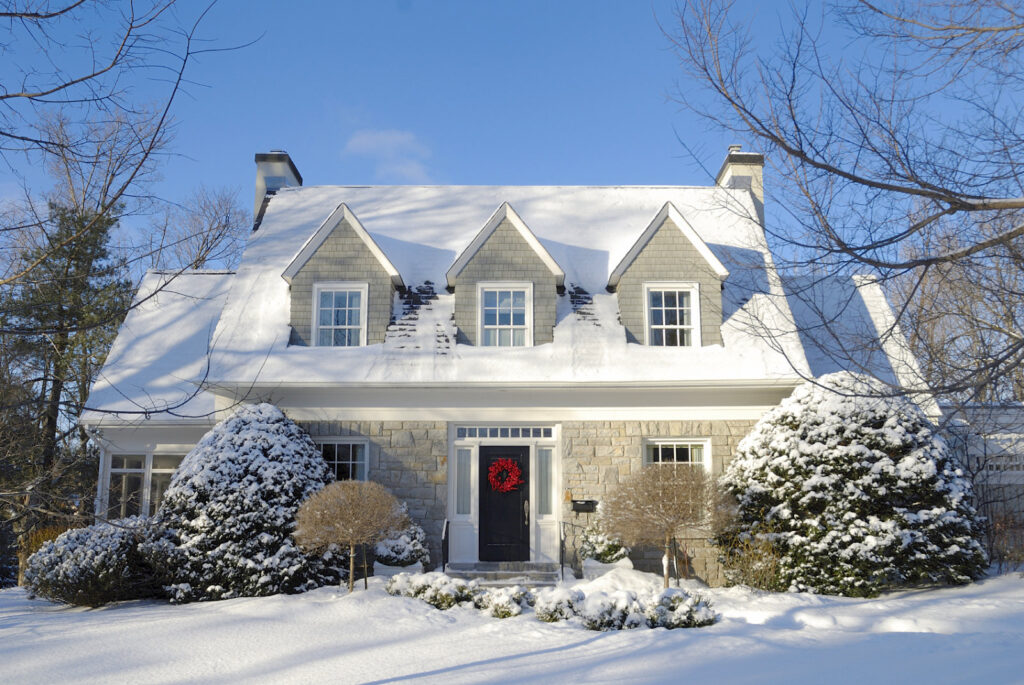
Ice Dams & Winter Leaks
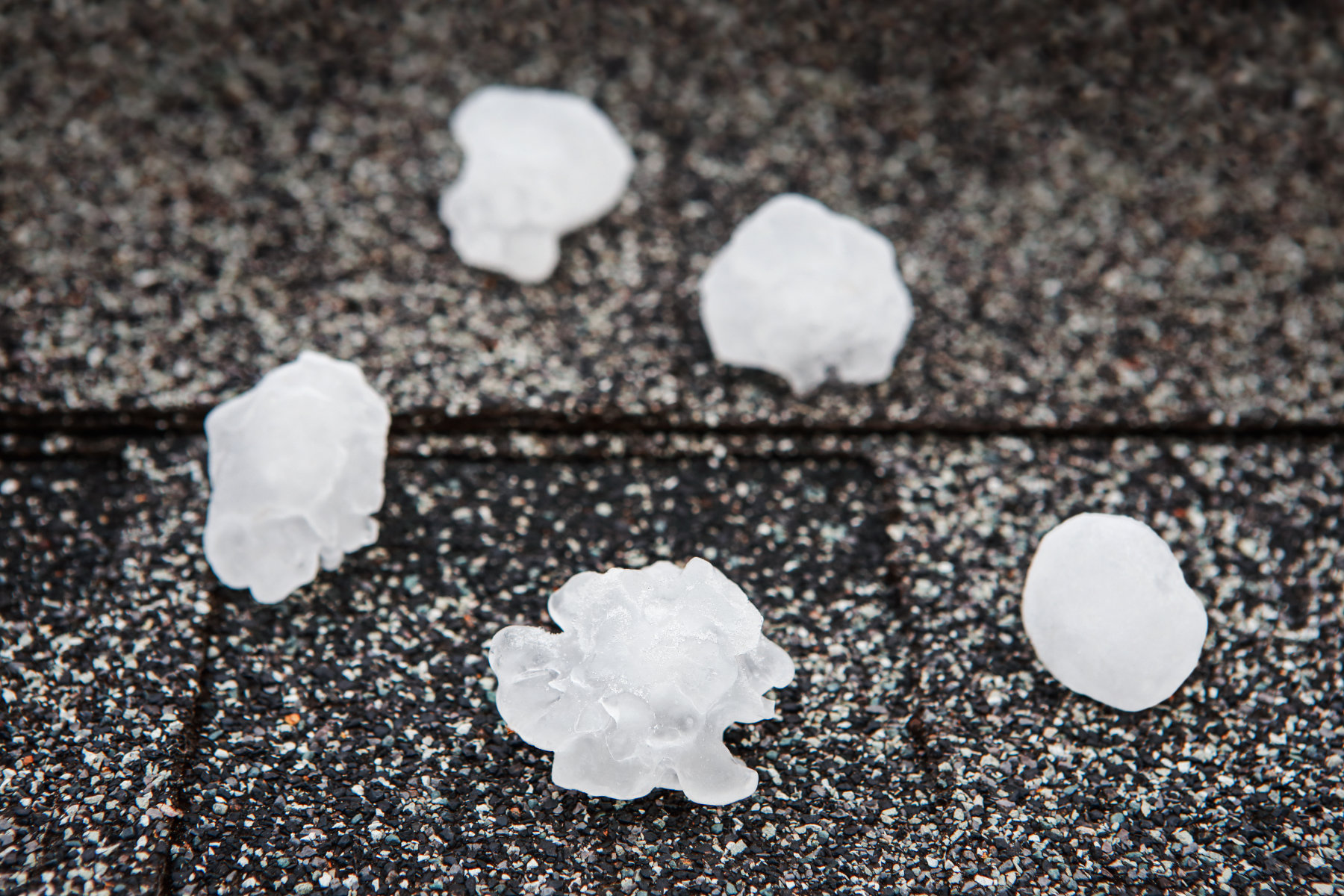

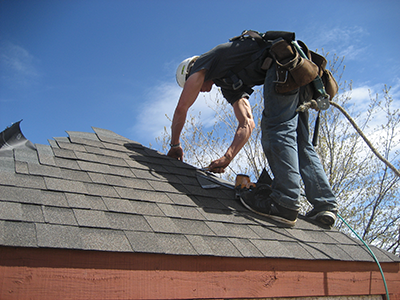
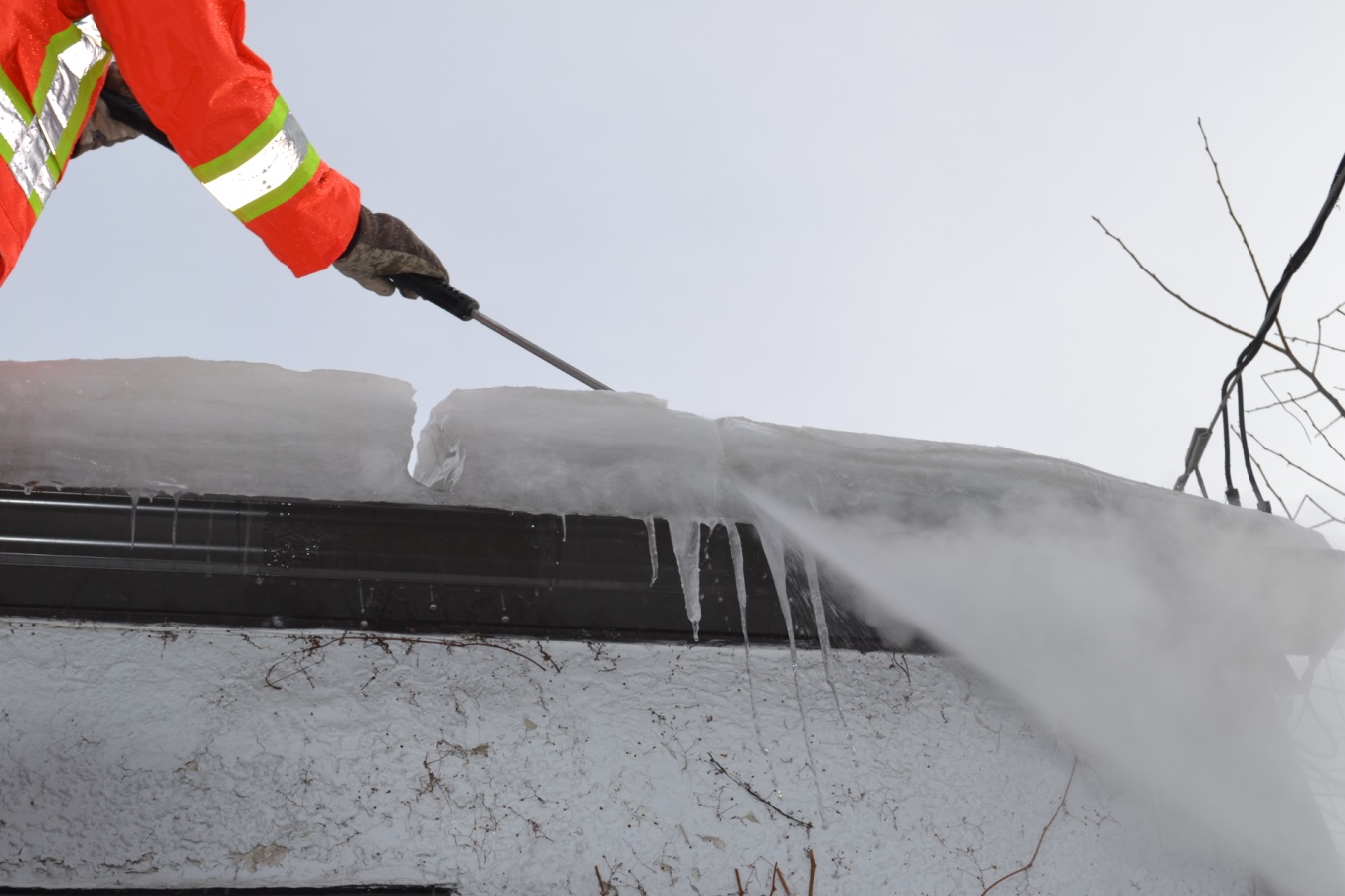
Ice Dams & Winter Leaks in Winnipeg
Stop Winter Water Before It Gets Inside.
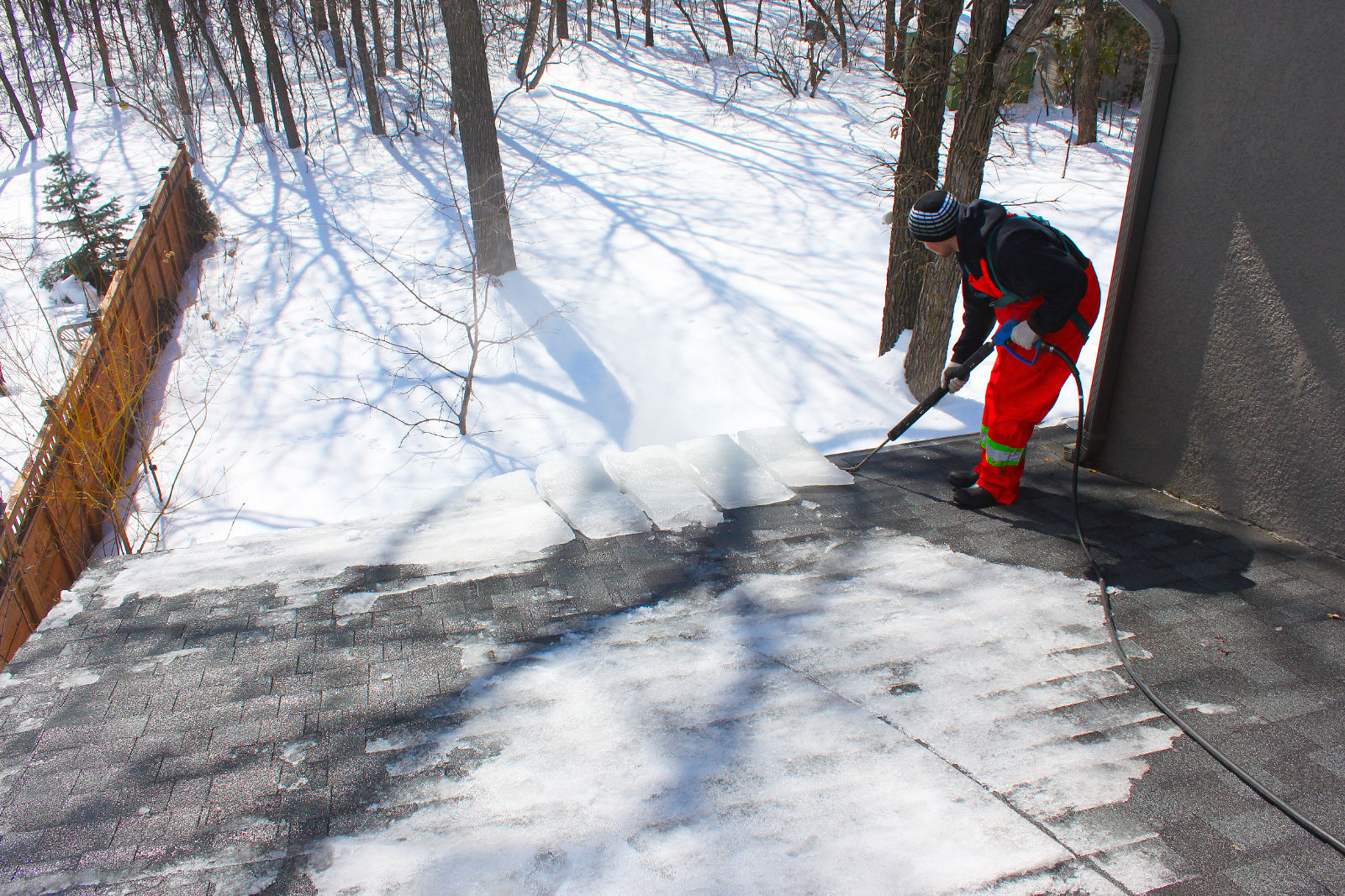
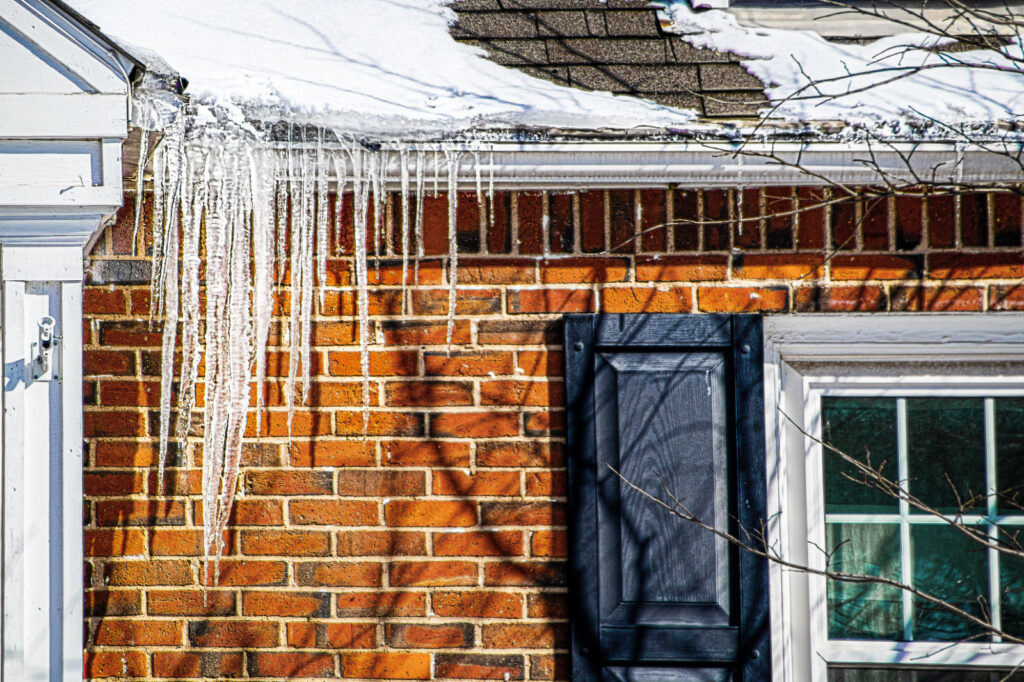
Ice dams are a common winter problem for Winnipeg homes, especially after heavy snow, sudden thaws, and deep freezes. What starts as icicles along the eaves can quickly turn into water backing up under shingles, leaking into the attic, or staining ceilings and walls.
Above All provides ice dam repair, roof snow removal, winter leak support, ventilation checks, and insulation assessments to help homeowners deal with the immediate issue and reduce the chances of it happening again.
Winnipeg Ice Dam & Winter Leak Services
Ice dams form when warm air escapes into the attic and heats the roof deck. Snow melts higher up on the roof, runs down toward the colder eaves, and freezes again along the edge. As that ice builds up, more meltwater gets trapped behind it. If the water cannot drain properly, it may push beneath roofing materials and find its way inside the home.
Because Winnipeg winters can shift quickly between mild days, heavy snow, and extreme cold, ice damming is not always caused by one single issue. Roofing, insulation, air sealing, and ventilation all work together. That is why our team looks at both the urgent leak and the conditions that may be contributing to it.
Storm Damage Support Built Around Your Home

Ice Dam Leak Repair
If water is already dripping inside, staining drywall, or showing up near exterior walls, the first step is stopping the active leak. Our repair team can inspect the roof area, identify likely entry points, and determine whether the issue is related to ice buildup, damaged shingles, flashing, roof valleys, or another winter roofing problem. Acting quickly can help reduce damage to insulation, ceilings, walls, and interior finishes.
Roof Snow Removal
Heavy rooftop snow can add stress to your roof and create more meltwater during freeze-thaw cycles. Removing snow from the roof can help reduce the conditions that lead to ice dams while making existing ice buildup easier to manage. Our team uses safe snow removal methods designed to protect shingles, eavestroughs, flashing, and other roof components.
Ventilation Checks
Poor attic ventilation can make ice dam problems worse by allowing heat and moisture to collect where they should not. A properly ventilated attic helps keep the roof deck closer to the outdoor temperature, reducing uneven snowmelt. During an assessment, we can look for ventilation concerns around roof vents, soffits, attic airflow, and areas where warm air may be trapped.
Insulation Assessment
Insulation plays a major role in winter roof performance. If the attic is under-insulated or air is leaking through attic hatches, plumbing stacks, exhaust fans, ducts, or other penetrations, heat can escape into the attic and warm the roof from below. We can assess whether insulation levels, air sealing, or problem areas are contributing to ice dam formation.

Winter-Ready Solutions
Ice dam removal may solve the immediate problem, but long-term protection comes from treating the roof and attic as a system. Depending on the home, the right solution may include roof snow removal, leak repair, improved air sealing, added attic insulation, better ventilation, or roofing upgrades such as ice and water shield.
Trusted by Homeowners
Across Winnipeg
-

~
Aidan L.
~
Absolute Professionals
Amazing experience with Above All again. The crews were top-notch professionals with endless patience for my questions. They explained everything step by step and showed me detailed photos of what they were facing. Absolute professionals with 100% integrity. The only company I would use and recommend in Winnipeg.
Featured Projects
Craftmanship that Speaks for Itself
Ready to Upgrade Your Home with Confidence?
Book your free estimate today — we’ll assess your home, explain what we find, and quote it upfront.
or call 204.999.4674